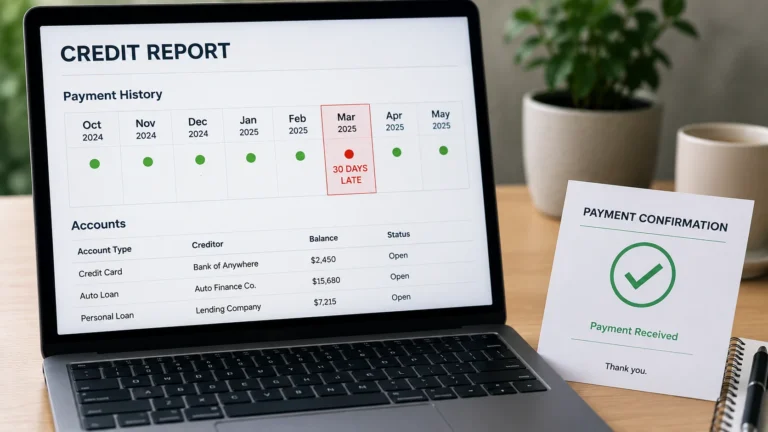
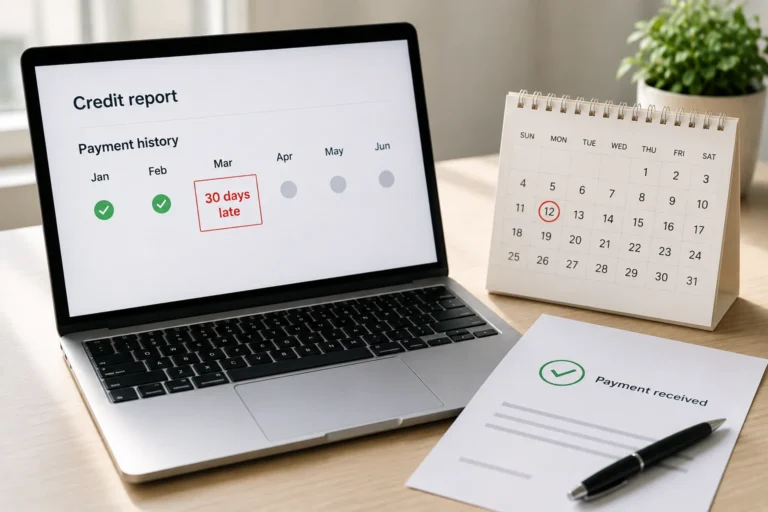
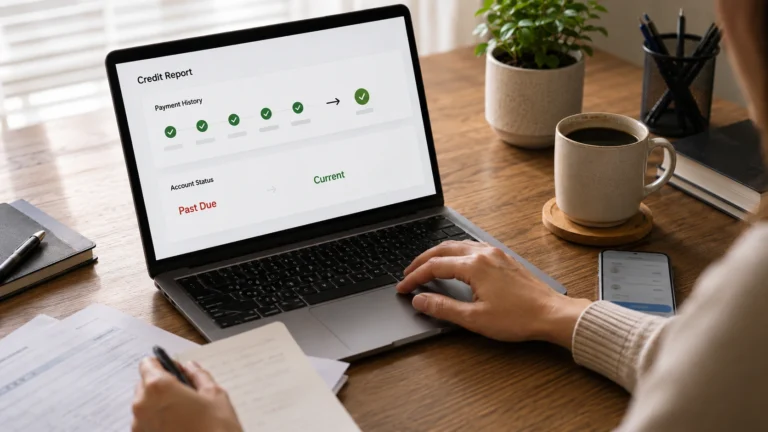
A late payment on your credit report can feel frustrating, especially if it happened because of a one-time mistake, a missed autopay, a medical issue, a job change, or another stressful life event. If the late payment is accurate, you usually cannot remove it with a normal credit dispute just because you do not like how it affects your score. Before sending any request, it helps to understand when you can actually remove late payments from your credit report and when you may need a different strategy.
That is where a goodwill letter to remove late payment may come in. A goodwill letter is a polite request asking your lender or creditor to remove an accurate late payment from your credit report as a courtesy. It is not a legal demand, it is not a credit dispute, and it does not guarantee results. But if your account is now current and you have a strong history of on-time payments, a goodwill letter for late payment may be worth trying.
In this guide, you will learn what a goodwill letter is, when it may work, what to include, what not to say, where to send it, and what to do if your lender says no.
- Quick answer: does a goodwill letter work?
- What is a goodwill letter for a late payment?
- Can a goodwill letter remove a late payment?
- When a goodwill letter may work
- When a goodwill letter probably will not work
- Goodwill letter vs. credit dispute
- What to include in a goodwill letter
- What not to say in a goodwill letter
- Goodwill letter example for a late payment
- Where to send a goodwill letter
- Should you send a goodwill letter by mail, email, or phone?
- How long should you wait for a response?
- What to do if the lender says no
- Can you send more than one goodwill letter?
- Final thoughts
- FAQ
- Does a goodwill letter really work?
- Can a goodwill letter remove a late payment?
- Is a goodwill letter the same as a credit dispute?
- When should I send a goodwill letter?
- What should I include in a goodwill letter?
- What should I not say in a goodwill letter?
- Where do I send a goodwill letter?
- Can I send a goodwill letter by email?
- What if my goodwill letter is denied?
- Can a 30-day late payment be removed with a goodwill letter?
- How long does a late payment stay on your credit report?
- Should I pay a company to send a goodwill letter for me?
- Related guides
- Sources and editorial note
Quick answer: does a goodwill letter work?
A goodwill letter can work in some cases, but it is never guaranteed. A lender does not have to remove an accurate late payment from your credit report. However, if the late payment was a one-time issue, your account is now current, and your overall payment history is strong, sending a polite late payment goodwill letter may give you a chance to ask for a goodwill adjustment.
The key is to understand the difference between a goodwill letter and a dispute. A dispute is for information that is wrong. A goodwill letter is for information that is accurate, but you are asking the lender to remove it as a courtesy.
What is a goodwill letter for a late payment?
A goodwill letter for a late payment is a written request you send to your lender or creditor asking them to remove an accurate late payment from your credit report as a courtesy. It is sometimes called a goodwill adjustment, a goodwill deletion request, or a late payment removal request.
The important thing to understand is that a goodwill letter is not the same as a credit dispute. With a dispute, you are saying that something on your credit report is wrong. With a goodwill letter, you are usually saying the late payment was accurate, but you are asking the lender to make an exception based on your overall payment history.
For example, you may have missed one payment because of a medical issue, a job change, a family emergency, a move, or an autopay problem. If the account is now current and you have made on-time payments before and after that mistake, you can ask the lender to consider removing the late payment as a goodwill adjustment.
A goodwill letter should be polite, honest, and simple. You are not blaming the lender, threatening the credit bureaus, or demanding a guaranteed result. You are asking for a courtesy removal because the late payment was unusual for your account and does not reflect how you normally manage your payments.
Can a goodwill letter remove a late payment?
A goodwill letter can sometimes help remove a late payment from your credit report, but it is never guaranteed. Your lender is not required to delete an accurate late payment just because you ask. If the late payment was reported correctly, the decision usually depends on the lender’s internal policy and how strong your overall payment history looks.
In simple terms, a goodwill letter is a request for an exception. You are asking the lender to look at your account history and consider removing one negative mark as a courtesy. This may be more realistic if the late payment was a one-time mistake, your account is now current, and you made on-time payments before and after the missed payment.
However, if you had several late payments, the account is still past due, or the lender has strict credit reporting rules, a goodwill letter may not work. Credit bureaus usually do not remove accurate late payments on their own. The lender that reported the late payment would need to update the information.
If your lender says no, it does not mean your credit is ruined forever. A late payment can hurt your score, especially at first, but its impact may become less serious over time as you build a stronger record of on-time payments. You can also learn more about how long it takes to fix your credit score after negative marks appear on your report.
When a goodwill letter may work
A goodwill letter may have a better chance of working when the late payment was a one-time mistake and your account is now back in good standing. Lenders are usually more likely to consider a goodwill adjustment if your overall payment history shows that you normally pay on time.
This does not mean the lender has to remove the late payment. It only means your request may look more reasonable if the late payment was unusual for your account and you can explain what happened clearly and honestly.
A goodwill letter may be worth trying if:
- You missed only one payment, not several payments in a row.
- Your account is now current and no longer past due.
- You had a strong history of on-time payments before the late payment.
- You made on-time payments again after the missed payment.
- The late payment happened because of a temporary issue, such as a medical problem, job change, family emergency, move, or autopay mistake.
- You have been a customer with the lender for a long time.
- You are asking politely instead of blaming, threatening, or demanding removal.
The strongest goodwill letter is usually simple: you explain what happened, take responsibility, show that the account is current, and ask the lender to consider removing the late payment as a courtesy. The goal is to show that the missed payment does not reflect your normal payment habits.
If your situation fits these points, sending a late payment goodwill letter may be a reasonable next step. It is free to try, and even though approval is never guaranteed, a polite request can sometimes lead to a goodwill adjustment.
When a goodwill letter probably will not work
A goodwill letter probably will not work if the late payment is part of a bigger pattern. If you have several missed payments, the account is still past due, or the lender sees ongoing payment problems, they may be less willing to remove a negative mark from your credit report.
Remember, a goodwill letter is a request for a courtesy adjustment. It works best when the late payment looks unusual for your account. If your payment history shows repeated late payments, collections, charge-offs, or unpaid balances, the lender may decide that the reporting should stay as it is.
A goodwill letter may be less likely to work if:
- You have multiple late payments on the same account.
- The account is still past due or unpaid.
- The late payment happened very recently and the problem has not been fixed.
- The account has already been charged off or sent to collections.
- You have a short or weak payment history with that lender.
- You blame the lender instead of taking responsibility.
- You threaten to file complaints or demand that the late payment be removed.
- You send a generic copy-and-paste letter that does not explain your situation clearly.
This does not mean you should give up on your credit. It only means a goodwill letter may not be the strongest tool for your situation. If the lender refuses or your account has several late payments, your next step should be to focus on consistent on-time payments, lower balances, and a realistic plan to rebuild credit after late payments.
The goal is not only to remove one late payment. The bigger goal is to show future lenders that your recent payment habits are stronger than your past mistake.
Goodwill letter vs. credit dispute
A goodwill letter and a credit dispute are not the same thing. This difference matters because using the wrong option can waste time and make the process more confusing.
A credit dispute is for information that may be wrong. For example, if your credit report says you paid late but you actually paid on time, that may be inaccurate information. In that case, you may need to dispute errors on your credit report with the credit bureau and the lender that reported the late payment.
A goodwill letter is different. A goodwill letter is usually for an accurate late payment. You are not saying the lender made a mistake. You are saying the late payment really happened, but you are asking the lender to remove it from your credit report as a courtesy based on your overall payment history.
Here is the simple difference:
- Use a credit dispute if the late payment is incorrect, duplicated, reported on the wrong account, listed with the wrong date, or does not belong to you.
- Use a goodwill letter if the late payment is accurate, but it was a one-time mistake and your account is now current.
You should not file a dispute just because you want an accurate late payment removed. If the late payment is correct, the credit bureau may verify it and leave it on your report. A goodwill letter is a more honest approach when the information is accurate but you are asking for a courtesy removal.
If you believe the late payment is wrong, gather proof before you dispute it. Payment confirmations, bank statements, account screenshots, and lender messages may help support your case. You can also review which documents support a credit report dispute before you send anything.
The safest way to choose is simple: if the late payment is wrong, dispute it. If the late payment is accurate, consider a goodwill letter instead.
What to include in a goodwill letter
A goodwill letter should be clear, polite, and easy for your lender to understand. You do not need to write a long emotional story. The goal is to explain what happened, show that the late payment was unusual for your account, and ask for a goodwill adjustment in a respectful way.
Before you write the letter, review your credit report and account details carefully. Make sure you know which lender reported the late payment, the account involved, the month it was reported late, and whether the account is now current. If you are not sure how to check these details, start by learning how to read your credit report before sending your request.
Your goodwill letter should usually include:
- Your full name so the lender can identify your account.
- Your account number or the last four digits of the account to help the lender find the correct account.
- The date or month of the late payment you are asking them to review.
- A short explanation of what happened without blaming the lender or making excuses.
- A clear statement that the account is now current if you have already caught up on payments.
- A mention of your positive payment history before and after the missed payment, if that is true.
- A polite request for a goodwill adjustment asking the lender to consider removing the late payment from your credit report.
- Your contact information in case the lender needs to reach you.
The best goodwill letters are usually short and honest. You can explain the situation in a few sentences, take responsibility for the missed payment, and ask the lender to consider your overall payment history. A calm, respectful tone is much stronger than a letter that sounds angry, desperate, or demanding.
You do not need to include every detail of your personal life. Focus on the facts that matter: what happened, why it was a one-time issue, what you have done to fix it, and why you are asking the lender to consider a courtesy removal.
What not to say in a goodwill letter
What you leave out of a goodwill letter can be just as important as what you include. Since you are asking the lender for a courtesy adjustment, your tone should be calm, respectful, and honest. A goodwill letter is not the place to argue, blame, threaten, or demand that the late payment be removed from your credit report.
The lender is not required to approve your request, especially if the late payment was reported accurately. That is why your letter should make it easy for them to understand your situation and consider your overall payment history without feeling attacked.
Try to avoid these mistakes in your goodwill letter:
- Do not blame the lender if the late payment was your responsibility.
- Do not threaten to file complaints just because you want the late payment removed.
- Do not say the credit bureau must delete it if the late payment was accurate.
- Do not turn the letter into a credit dispute unless you truly believe the information is wrong.
- Do not write a long emotional story with details that do not help your request.
- Do not lie about what happened or create a fake hardship story.
- Do not demand a goodwill adjustment as if the lender owes it to you.
- Do not use a generic template without adding your real account details and situation.
A stronger approach is to take responsibility, explain the situation briefly, and ask politely. For example, instead of saying, “You need to remove this late payment because it is hurting my credit score,” you could say, “I understand the payment was late, and I take responsibility. I am asking if you would consider a goodwill adjustment based on my overall payment history.”
The goal is to sound like a real person making a reasonable request, not someone sending an angry demand. A simple, honest late payment goodwill letter usually has a better chance than one that feels aggressive, dramatic, or copied from a template.
Goodwill letter example for a late payment
Here is a simple goodwill letter example you can use as a starting point. Do not copy it word for word if it does not match your situation. The best late payment goodwill letter should sound personal, honest, and specific to your account.
Subject: Goodwill adjustment request for late payment
Dear [Lender or Creditor Name],
I am writing to respectfully ask if you would consider a goodwill adjustment for a late payment reported on my account. My name is [Your Full Name], and my account number is [Account Number or Last Four Digits].
The late payment was reported for [Month and Year]. I understand that the payment was late, and I take full responsibility for missing the due date. At the time, I was dealing with [brief explanation, such as a medical issue, job change, family emergency, move, or autopay problem], and unfortunately, I did not manage the payment correctly.
Since then, I have brought the account current and have worked hard to stay on track with my payments. This late payment was not normal for me, and I value my relationship with your company. I would be very grateful if you would consider removing this late payment from my credit report as a goodwill adjustment.
I understand that you are not required to make this change, but I hope you will consider my overall payment history and the fact that this was a one-time mistake. Thank you for taking the time to review my request.
Sincerely,
[Your Full Name]
[Your Phone Number]
[Your Email Address]
[Your Mailing Address]
This sample goodwill letter to remove a late payment is meant to be polite and realistic. It does not blame the lender, demand removal, or pretend the late payment was inaccurate. Instead, it explains the situation, accepts responsibility, and asks the lender to consider a courtesy removal based on your payment history.
Before sending your letter, update the details so they match your real account. Make sure the lender name, account number, late payment date, and explanation are accurate. A personalized goodwill letter usually looks stronger than a generic template that could have been copied from anywhere.
Where to send a goodwill letter
You should send a goodwill letter to the lender or creditor that reported the late payment, not directly to the credit bureau. The credit bureau usually cannot approve a goodwill adjustment on its own. The lender that reported the late payment would need to update the information on your credit report.
Start by checking your account statement, online account, or credit report to find the correct lender name and contact details. Some lenders have a specific credit reporting department, while others may handle goodwill requests through customer service or secure online messages.
You may be able to send your goodwill letter to:
- The lender’s customer service department.
- The lender’s credit reporting department.
- The mailing address listed on your billing statement.
- The address listed for that account on your credit report.
- A secure message center inside your online account.
- The lender’s executive office, if normal customer service does not help.
If you send the letter by mail, consider using a trackable mailing option so you can confirm it was delivered. If you send it through a secure online message, save a copy of the message and any response you receive.
Keep your request polite and organized. Include your name, account number or last four digits, the date of the late payment, and a clear request for a goodwill adjustment. The easier you make it for the lender to identify your account, the easier it is for them to review your request.
If you do not hear back, you can follow up politely after a few weeks. Do not send the same goodwill letter every day or spam different departments. A calm follow-up looks much better than pressure or frustration.
Should you send a goodwill letter by mail, email, or phone?
You can send a goodwill letter by mail, email, or secure message, depending on how your lender accepts written requests. The best option is usually the one that gives you a clear record of what you sent and when you sent it.
Mail can feel more formal, especially if you send the letter to the lender’s credit reporting department or customer service address. If you choose mail, keep a copy of the letter and consider using a trackable mailing option so you can confirm delivery.
Email or a secure message through your online account may be faster. This can work well if the lender allows account-related requests through its message center. Just make sure your message includes the same details you would include in a regular goodwill letter: your name, account number or last four digits, the late payment date, and your request for a goodwill adjustment.
A phone call can be useful if you are trying to find the right department or mailing address. However, a phone call alone may not be enough because you may not have a written record of your request. If you call first, ask where you should send a written goodwill letter and whether the lender accepts requests by secure message or email.
Here is a simple way to choose:
- Use mail if you want a more formal request and delivery proof.
- Use secure message if your online account allows written account requests.
- Use email only if you have a real lender contact address for this type of request.
- Use phone to ask where to send the letter, not as your only request.
No matter which method you choose, keep the message polite and organized. A goodwill letter is still a request for a courtesy removal, so your tone matters. You want to make it easy for the lender to review your account and understand why you are asking them to remove the late payment from your credit report.
How long should you wait for a response?
After you send a goodwill letter, give the lender time to review your request. Some lenders may respond within a few weeks, while others may take longer or may not respond at all. A good rule of thumb is to wait about 30 days before sending a polite follow-up.
Do not panic if you do not hear back right away. A goodwill adjustment request is not the same as a formal credit dispute, so there may not be a strict response timeline. The lender may need time to review your account, check your payment history, and decide whether they are willing to update the late payment on your credit report.
While you wait, keep making every payment on time. This is important even if you are hoping the late payment will be removed. Your recent payment behavior can matter because it shows the lender that the missed payment was not part of an ongoing pattern.
You should also keep an eye on your credit report and credit score. If the lender agrees to remove the late payment, it may take some time before the update appears with the credit bureaus. You can learn how to know if your credit score is improving so you can track changes without checking obsessively every day.
If 30 days pass and you have not received a response, you can send a short follow-up message. Keep it calm and respectful. Remind the lender that you are asking them to review your goodwill letter and consider removing the late payment as a courtesy.
A follow-up should not sound angry or desperate. The goal is to stay professional and make the request easy to review. If the lender says no or does not respond after a reasonable follow-up, your next step is to focus on rebuilding your credit instead of sending the same letter over and over.
What to do if the lender says no
If the lender says no to your goodwill letter, do not panic. A denied goodwill request does not mean your credit is permanently damaged. It only means the lender is not willing to remove the late payment as a courtesy at this time.
First, read the response carefully. Some lenders may simply say they cannot change accurate credit reporting. Others may explain that they reviewed your account and decided not to make a goodwill adjustment. If the late payment is accurate, they are not required to remove it from your credit report.
If your goodwill letter is denied, you can still take several practical steps:
- Keep the account current and avoid any new missed payments.
- Make every payment on time going forward, even if the late payment stays on your report.
- Lower your credit card balances if high utilization is also hurting your credit score.
- Check your credit report to make sure the late payment is reporting accurately.
- Save the lender’s response in case you need to review it later.
- Consider a polite follow-up later if your account stays in good standing for several more months.
You should not keep sending the same goodwill letter over and over every few days. That can look desperate and may not help your case. If you decide to follow up, wait a reasonable amount of time, keep the tone respectful, and mention any positive payment history you have built since the late payment.
If the lender refuses to remove the late payment, your next step is to focus on rebuilding. A late payment can hurt your score, especially when it is recent, but its impact may become less serious over time if you build a stronger record of on-time payments. You can start with a realistic plan to rebuild credit after late payments.
You can also work on the bigger picture: paying on time, reducing balances, avoiding unnecessary new credit applications, and checking your credit report regularly. If you need a full plan, follow this guide on how to improve your credit score step by step.
The goal is not to get stuck on one denied goodwill letter. The real goal is to make your recent credit behavior stronger than your old mistake.
Can you send more than one goodwill letter?
Yes, you can send more than one goodwill letter, but you should be careful not to overdo it. If the lender says no the first time, sending the same letter again and again every few days is unlikely to help. It may even make your request look less professional.
A better approach is to wait, keep the account in good standing, and build a stronger recent payment history. If you make several more on-time payments after the late payment, your follow-up request may look more reasonable because you can show that the missed payment was not part of an ongoing pattern.
You may consider sending a follow-up goodwill letter if:
- At least 30 to 60 days have passed since your first request.
- Your account is current and no longer past due.
- You have made additional on-time payments since the late payment.
- You received no response from the lender.
- The lender denied your request, but your account history has improved since then.
- You found a better department or mailing address for goodwill adjustment requests.
Your follow-up letter should still be polite and simple. Mention that you previously sent a goodwill letter, briefly restate your request, and explain that you have continued to keep the account current. Do not argue with the lender or demand that they change their decision.
If the lender says no again, it may be time to stop sending goodwill letters and focus on rebuilding your credit instead. A goodwill letter is only one possible tool. Your long-term payment history, credit utilization, and overall credit habits matter more than repeating the same request forever.
The goal is to be persistent in a smart way, not annoying. One thoughtful follow-up can make sense. Ten copy-and-paste letters usually do not.
Final thoughts
A goodwill letter to remove late payment can be worth trying if the late payment was a one-time mistake, your account is now current, and your overall payment history is strong. It is not guaranteed, and your lender does not have to remove an accurate late payment from your credit report just because you ask.
The best approach is to keep your request polite, honest, and simple. Explain what happened, take responsibility, show that the account is back in good standing, and ask the lender to consider a goodwill adjustment as a courtesy. Do not blame, threaten, or turn the letter into a dispute if the late payment was accurate.
If the lender agrees, the late payment may be removed or updated on your credit report. If the lender says no, that does not mean your credit score is ruined forever. Keep making on-time payments, lower your balances if needed, and focus on building a stronger recent credit history.
A goodwill letter is only one tool. The bigger goal is to move forward with better payment habits, fewer missed payments, and a credit profile that looks stronger over time.
FAQ
Does a goodwill letter really work?
A goodwill letter can work in some cases, but it is never guaranteed. It depends on the lender, your account history, whether the late payment was a one-time mistake, and whether your account is now current.
Can a goodwill letter remove a late payment?
Yes, a goodwill letter may help remove a late payment from your credit report if the lender agrees to make a goodwill adjustment. However, the lender is not required to remove an accurate late payment just because you ask.
Is a goodwill letter the same as a credit dispute?
No. A credit dispute is used when information on your credit report is wrong. A goodwill letter is used when the late payment is accurate, but you are asking the lender to remove it as a courtesy.
When should I send a goodwill letter?
You should usually send a goodwill letter after your account is current and you can explain why the late payment was a one-time mistake. It may work better if you had a strong history of on-time payments before and after the missed payment.
What should I include in a goodwill letter?
A goodwill letter should include your name, account number or last four digits, the date of the late payment, a short explanation of what happened, confirmation that the account is current, and a polite request for a goodwill adjustment.
What should I not say in a goodwill letter?
Do not blame the lender, threaten complaints, lie about what happened, or demand that the late payment be removed. A goodwill letter should be respectful, honest, and simple.
Where do I send a goodwill letter?
You should send a goodwill letter to the lender or creditor that reported the late payment. The credit bureau usually cannot approve a goodwill adjustment on its own unless the lender updates the information.
Can I send a goodwill letter by email?
Yes, you can send a goodwill letter by email or secure message if the lender accepts written requests that way. You can also send it by mail. The most important thing is to keep a copy of what you sent.
What if my goodwill letter is denied?
If your goodwill letter is denied, keep the account current, make every payment on time, lower balances if needed, and focus on rebuilding your credit. You may consider a polite follow-up later, but do not keep sending the same letter repeatedly.
Can a 30-day late payment be removed with a goodwill letter?
A 30-day late payment may be removed with a goodwill letter if the lender agrees, especially if it was a one-time mistake and your account is now in good standing. There is still no guarantee.
How long does a late payment stay on your credit report?
A late payment can stay on your credit report for years, but its impact may become less serious over time if you build a stronger history of on-time payments.
Should I pay a company to send a goodwill letter for me?
In most cases, you do not need to pay a company to send a goodwill letter. You can write and send a polite goodwill letter yourself for free.
Related guides
If you are dealing with a late payment on your credit report, these guides can help you choose the next step and understand what to do if a goodwill letter does not work.
- Can you remove late payments from your credit report?
- How to rebuild credit after late payments
- How to dispute errors on your credit report
- How long does it take to fix your credit score?
- How to know if your credit score is improving
Sources and editorial note
This article is for educational purposes only and is not legal, financial, or credit repair advice. A goodwill letter may help in some situations, but lenders are not required to remove accurate late payments from your credit report. If you believe information on your credit report is incorrect, you may need to use the formal dispute process instead of a goodwill request.
To keep this guide accurate and helpful, the information is based on general credit reporting principles and consumer education resources from trusted organizations such as the Consumer Financial Protection Bureau, the Federal Trade Commission, and major credit education providers.
- Consumer Financial Protection Bureau: Credit reports and scores
- Federal Trade Commission: Disputing errors on your credit reports
- Experian: What is a goodwill letter?
Always review your own credit report, lender policies, and account details before sending a goodwill letter or filing a credit dispute.