In this guide
- Credit bureau did not respond within 30 days: what should you do?
- The 30-day, 45-day, and five-business-day rules
- What date starts the 30-day clock?
- When can a dispute take up to 45 days?
- Does the bureau have to delete the account after 30 days?
- Use this missed-deadline decision tree
- Build a dispute timeline before contacting the bureau again
- What to write to the credit bureau after the deadline appears to have passed
- What if the bureau says the dispute was frivolous or irrelevant?
- What if the bureau responded, but the result is wrong?
- When can you submit a CFPB complaint?
- What if the item was removed and then came back?
- What if the delayed dispute affected a loan, housing, or employment decision?
- Common mistakes to avoid
- Frequently asked questions
- Bottom line
- Sources
- Financial and legal disclaimer
If a credit bureau did not respond within 30 days, do not assume the disputed item must automatically disappear on day 31. First confirm the date the bureau actually received your dispute, whether a 45-day investigation period may apply, and whether the bureau completed the investigation but is still within the separate five-business-day period for sending the results.
If the applicable deadline has truly passed, save your proof of submission and receipt, check a fresh credit report, request the dispute status and written results, and document every response. If the dispute is still pending after more than 45 days, or the inaccurate information remains unresolved, a CFPB complaint may be appropriate.
Reviewed against CFPB guidance and the Fair Credit Reporting Act. Source review: October 2, 2026.
Quick rule: Count from the date the credit reporting company received the dispute — not simply from the date you mailed the letter or clicked submit.
Credit bureau did not respond within 30 days: what should you do?
- Confirm the receipt date. Use certified-mail tracking, portal confirmation, email, or another reliable record.
- Check whether 30 or 45 days applies. Some disputes can take up to 45 days.
- Separate the investigation deadline from the result-notice deadline. CFPB says the bureau generally has five business days after completing the investigation to notify you of the results.
- Pull a fresh credit report. The information may already have changed even if the result notice has not reached you.
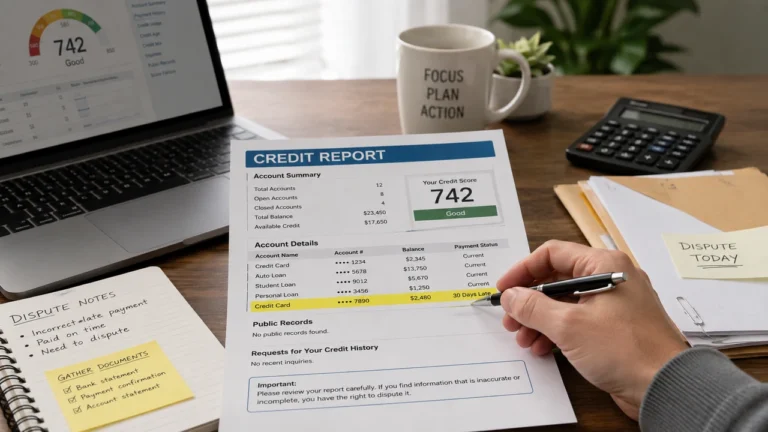
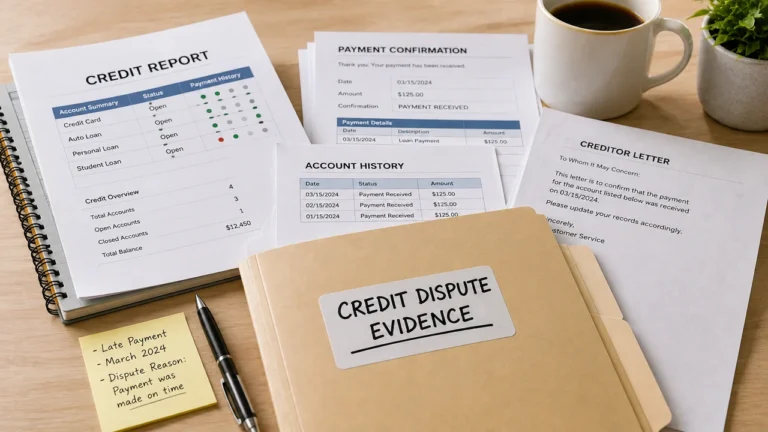
- Save a complete dispute file. Keep the original report, dispute, evidence, receipt proof, confirmation number, and current report.
- Ask for the status in writing. Request the completion date and written results.
- Escalate only after the timeline is clear. If the dispute remains pending beyond the applicable period, consider a CFPB complaint or legal advice when significant harm is involved.
If you are still preparing the original dispute, start with our guide on how to dispute errors on your credit report.
The 30-day, 45-day, and five-business-day rules
Under the Fair Credit Reporting Act, a consumer reporting agency generally must complete a reasonable reinvestigation within 30 days after receiving notice of the dispute. The FCRA allows an extension of up to 15 additional days when the consumer submits relevant information during the original 30-day period, subject to statutory limits.
CFPB guidance also identifies situations in which an investigation can take up to 45 days. After the investigation is complete, the bureau generally has five business days to notify you of the results.
| Time period | What it generally means | What it does not mean |
|---|---|---|
| 30 days | Standard reinvestigation period measured from receipt of the dispute | Not an automatic deletion date for every disputed item |
| Up to 45 days | Possible extended investigation in specified circumstances | Not a universal extension in every case |
| 5 business days after completion | General period to send written results | Not five extra days to conduct the investigation |

What date starts the 30-day clock?
The key date is generally when the credit reporting company receives the dispute. If you mailed a dispute on March 1 and tracking shows delivery on March 6, March 6 is the date that matters for the standard reinvestigation timeline.
Useful proof includes:
- certified-mail or carrier delivery confirmation;
- online dispute confirmation;
- dated acknowledgment email;
- portal message confirming receipt;
- a case or confirmation number tied to the submission date.
Do not rely only on the date printed on your letter. A clean receipt record is especially important if you later need to make a complaint.
When can a dispute take up to 45 days?
CFPB identifies two situations in which an investigation can take up to 45 days: a dispute filed after receiving your free annual credit report, and relevant additional information submitted during the original 30-day investigation period. For the additional-information extension, the FCRA allows no more than 15 extra days, subject to statutory limits.
So if the bureau received your original dispute on June 1 and you sent important supporting records on June 18, do not automatically treat July 1 as a missed deadline. First determine whether that new information affected the applicable period.
Does the bureau have to delete the account after 30 days?
No blanket rule says every disputed account must disappear on day 31. The FCRA requires a timely reasonable reinvestigation and provides for correction, deletion, or modification when information is inaccurate, incomplete, or cannot be verified through the process.
Not receiving a letter by day 31 does not by itself prove the bureau failed to investigate on time or that the information was unverifiable.
Also, do not dispute accurate negative information merely because it hurts your score. CFPB states that accurate negative information generally cannot be removed simply because it is unfavorable.
Use this missed-deadline decision tree
- Do you have proof of the receipt date? If no, locate the tracking or confirmation first.
- Have 30 days passed from receipt? If no, keep the records and wait.
- Was the dispute filed after receiving your free annual credit report, or did you submit relevant additional information during the original 30-day period? Check whether the applicable investigation period can run up to 45 days. The additional-information extension has statutory limits.
- Did the bureau say the investigation is complete? If yes, check whether the five-business-day result-notice period has passed.
- Does a fresh report show the correction? If yes, save it and request any missing written result.
- Is the dispute still pending more than 45 days after filing? If yes, document the status and consider CFPB escalation.
- Did inaccurate reporting cause significant financial, housing, or employment harm? Preserve the evidence and consider speaking with a consumer-law attorney.
Build a dispute timeline before contacting the bureau again
| Event | Date | Proof to save |
|---|---|---|
| Original credit report obtained | ________ | Report PDF |
| Dispute submitted | ________ | Copy of dispute |
| Bureau received dispute | ________ | Tracking / portal confirmation |
| Additional evidence sent | ________ | Copy + delivery proof |
| 30-day point | ________ | Calendar calculation |
| Possible 45-day point | ________ | Reason extension may apply |
| Fresh report checked | ________ | Updated report PDF |
| Result received | ________ | Email / letter / portal PDF |
This prevents a common problem: claiming the bureau is late without being able to show when it actually received the dispute.
What to write to the credit bureau after the deadline appears to have passed
Keep the follow-up short and factual. Your first goal is to establish the status, completion date, and written result.
Subject: Request for status and results of credit report dispute
Your company received my dispute regarding [account/field] on [receipt date]. My confirmation or tracking number is [number].
Please confirm whether the reinvestigation is complete, the date it was completed, and where the written results were sent. If my file was revised, please provide the updated report. I have attached my original dispute confirmation and proof of receipt.
Do not turn the first follow-up into a long legal threat. The dates and documents matter more than aggressive language.
What if the bureau says the dispute was frivolous or irrelevant?
A credit reporting company may determine a dispute is frivolous or irrelevant, including when it lacks enough information to investigate. CFPB says the company must send a notice explaining that decision and why, generally within five business days after making it.
If that happens, do not resend the same vague dispute. Identify the exact account, field, date, balance, status, or ownership problem and provide records that directly address it. See what documents can support a credit-report dispute.
What if the bureau responded, but the result is wrong?
That is different from a missed-deadline problem. If the bureau answered on time but marked the information “verified” and you still have contrary evidence, review the result and the exact field you disputed.
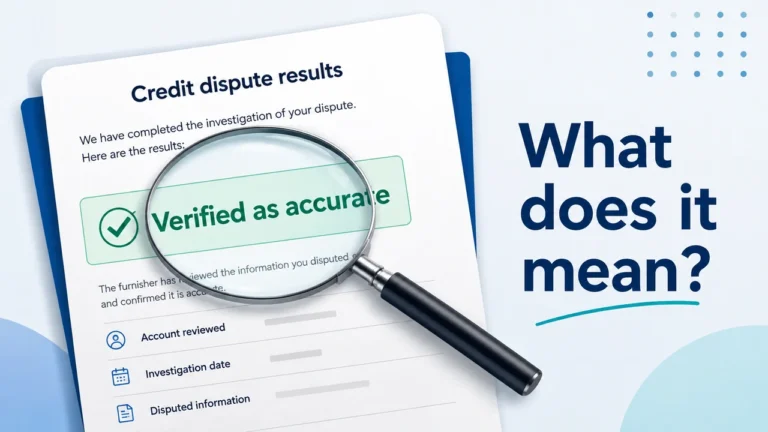
You can request more information about how the bureau verified the item, dispute directly with the furnisher when appropriate, or use the next-step process for an adverse dispute result. See what “verified as accurate” means and what to do after a denied credit dispute.
When can you submit a CFPB complaint?
For complaints to the CFPB about inaccurate or incomplete information on a consumer report, first dispute the information directly with the credit reporting company. The current complaint portal asks whether that dispute is no longer pending or whether more than 45 days have passed.
When eligible, include:
- the original report showing the error;
- your dispute submission;
- proof of the bureau’s receipt date;
- confirmation number;
- records of additional evidence and when it was sent;
- any bureau responses;
- a current report showing the unresolved problem;
- a short timeline;
- the specific correction or result you are requesting.
What if the item was removed and then came back?
That becomes a reinsertion issue rather than simply a missed-deadline issue. Save the report showing the deletion, the result notice, and the later report showing the item again. Then use our guide on what to do when a disputed item is removed and then comes back.
What if the delayed dispute affected a loan, housing, or employment decision?
Save the adverse-action notice, the credit report used in the decision if available, your dispute timeline, proof of receipt, and documents showing the disputed information was inaccurate. If the problem caused significant financial or other measurable harm, consider speaking with a qualified consumer-law attorney.
Do not estimate damages from an expected number of credit-score points. Preserve actual decisions, costs, rates, notices, and other documented consequences.
Common mistakes to avoid
- Counting from the mailing date instead of receipt.
- Ignoring a possible 45-day investigation period.
- Assuming day 31 automatically means deletion.
- Sending a new duplicate dispute before confirming the status of the first.
- Complaining to CFPB while the direct dispute is still pending and fewer than 45 days have passed.
- Disputing accurate negative information just because it hurts your score.
- Failing to save the original dispute package and receipt proof.
- Focusing on a hoped-for score increase instead of whether the report became accurate.
Frequently asked questions
What happens if a credit bureau does not respond within 30 days?
First confirm the receipt date, whether an extension may apply, and whether the investigation was completed but the result notice is still within the separate five-business-day period. If the applicable deadline truly passed, document the problem, check the current report, and request the status and results in writing.
Can a credit report dispute take 45 days?
Yes, in specified circumstances. CFPB guidance says some disputes can take up to 45 days, and the FCRA permits an extension of up to 15 additional days when the consumer submits relevant information during the original 30-day period, subject to statutory limits.
Does the bureau get five extra business days to investigate?
No. The five-business-day rule generally concerns sending the written result after the investigation is completed. It is separate from the reinvestigation period.
Can I file a CFPB complaint on day 31?
Not necessarily. Current CFPB instructions for inaccurate or incomplete consumer-report complaints say the direct dispute should no longer be pending or more than 45 days should have elapsed.
Will my credit score automatically rise if the bureau was late?
No. A late or missing dispute response does not create an automatic score adjustment. Any score effect depends on what credit-report data ultimately changes and the scoring model used.
Bottom line
If a credit bureau did not respond within 30 days, audit the timeline before assuming the bureau violated the rules or that the item must be deleted. Confirm the receipt date, determine whether 30 or 45 days applies, separate the investigation period from the five-business-day result notice, and check a fresh report.
If the applicable deadline has truly passed, preserve the evidence, request the investigation status and written results, and consider a CFPB complaint once the current eligibility conditions are met. The goal is an accurate credit file and a clear record of what happened — not a technical shortcut to a guaranteed score increase.
Sources
- Consumer Financial Protection Bureau — How long does it take to repair an error on a credit report?
- Consumer Financial Protection Bureau — How to dispute an error on your credit report
- Consumer Financial Protection Bureau — Credit and consumer reporting complaint notice
- Consumer Financial Protection Bureau — Accurate negative information
- Federal Trade Commission — Fair Credit Reporting Act, March 2026 text
More on this topic: Browse all credit report and dispute guides.
Financial and legal disclaimer
This article provides general U.S. educational information about credit reporting and disputes. It is not individualized legal, financial, lending, or credit-repair advice. Rights can depend on the facts, the type of consumer reporting company, the dispute method, and applicable law. If inaccurate reporting has caused significant financial, housing, employment, or other harm, consider speaking with a qualified consumer-law attorney.