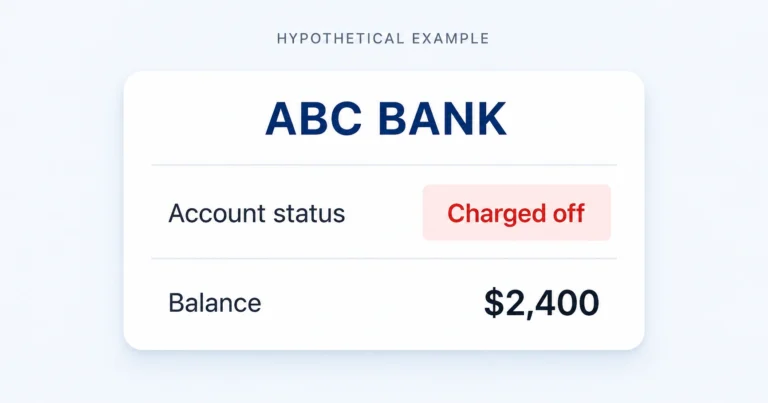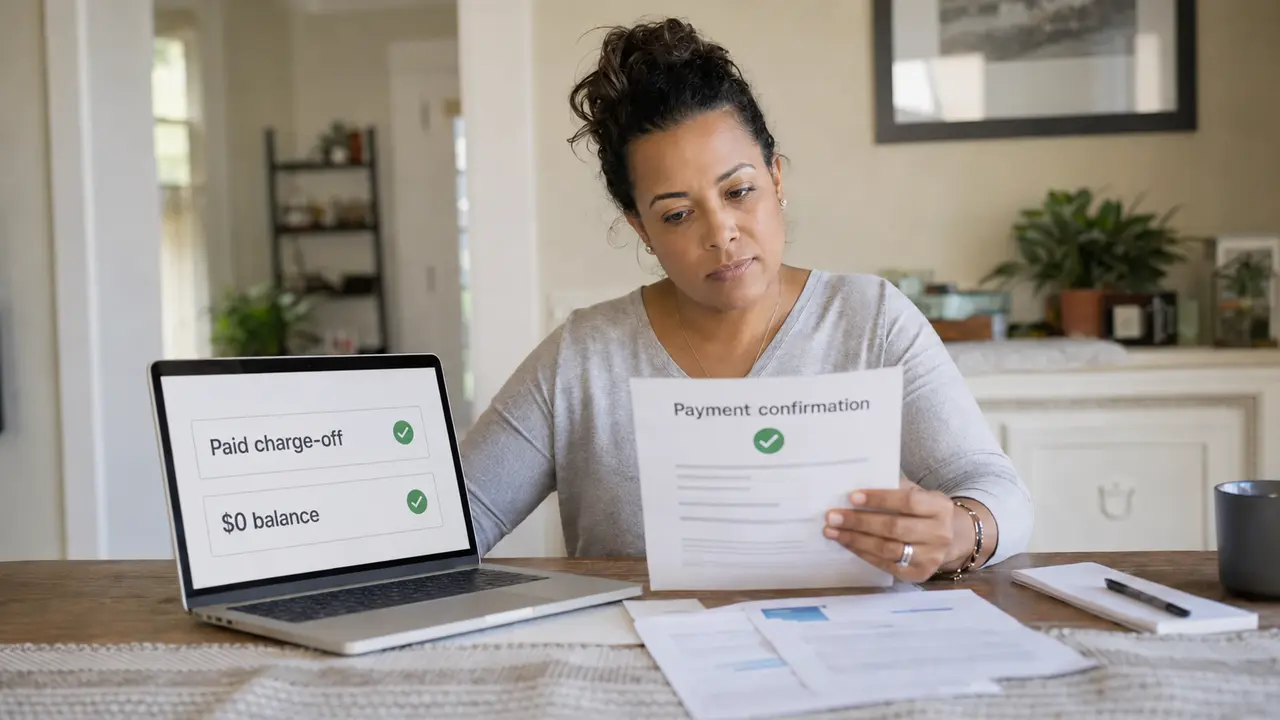
Can a paid charge-off be removed from your credit report? Sometimes, but paying the debt does not automatically require the credit bureaus to delete the account. If the charge-off is accurate, complete, and still within the applicable credit reporting period, it can generally remain even after the balance is updated to $0 and the account shows a paid or settled status.
Removal may be possible when the account does not belong to you, resulted from identity theft, appears more than once because of a reporting error, contains an incorrect balance or delinquency date, is too old to remain, or cannot be verified after a proper dispute. A creditor may also consider a goodwill request, but it is not legally required to remove accurate information as a courtesy.
It is also important to separate correction from deletion. If the only error is an unpaid balance that should be $0, the credit bureau may correct the balance while leaving the accurate charge-off history on your report. If you are not sure what the account status means, first review what a charge-off means on your credit report.
Quick answer: Payment resolves the debt. Deletion removes credit history. They are separate outcomes, and a paid charge-off should be disputed only when you can identify a specific reporting problem.
- What changes after you pay a charge-off?
- The balance should generally update to $0
- The account status should show how the debt was resolved
- The negative account history may remain
- When can a paid charge-off be removed?
- The account does not belong to you
- The balance or account status is incorrect
- The delinquency date is wrong
- The same tradeline appears more than once by mistake
- The charge-off is too old to remain
- The information cannot be verified
- The creditor approves a goodwill deletion
- Check the account before trying to remove it
- Compare all three credit reports
- Confirm who is reporting the account
- Review the balance and account status
- Check the delinquency and removal dates
- Look for a separate collection account
- Gather records before taking action
- Valid reasons to dispute a paid charge-off
- The account does not belong to you
- The balance was not updated after payment
- The payment status is incorrect
- The date of first delinquency is wrong
- The same charge-off is reported more than once
- The charge-off is too old to be reported
- The information cannot be verified
- How to dispute an inaccurate paid charge-off
- Get all three credit reports
- Identify which reports contain the error
- Describe one specific reporting error
- Gather supporting documents
- Dispute the error with each credit bureau
- Send the dispute to the information furnisher
- Request the appropriate correction
- Keep records and review the results
- Sample paid charge-off dispute wording
- Can you request a goodwill deletion?
- When a goodwill request may be worth trying
- Who should receive the goodwill letter?
- What to include in a paid charge-off goodwill letter
- Sample goodwill request
- What happens after you send the request?
- Does pay for delete work after the debt is paid?
- Pay for delete is more common with collection accounts
- What if the debt has not been paid yet?
- What if you already paid the charge-off?
- How long does a paid charge-off stay on your credit report?
- What is the date of first delinquency?
- Example of the reporting timeline
- What does not restart the reporting period?
- Why can the exact removal date vary?
- What should you do if the charge-off appears too long?
- What if a charge-off and a collection both appear?
- Why can the same debt appear twice?
- What should happen after the collection is paid?
- When two entries may indicate a reporting error
- How to check whether the reporting is accurate
- Will removing a paid charge-off increase your credit score?
- Removal versus a paid status update
- What determines the size of the score change?
- When removal may have a more noticeable effect
- How to measure the result accurately
- What to do if an accurate paid charge-off cannot be removed
- 1. Confirm that the account was updated correctly
- 2. Protect every current payment
- 3. Reduce revolving credit balances
- 4. Keep useful positive accounts open
- 5. Limit unnecessary credit applications
- 6. Add positive credit carefully if needed
- 7. Monitor all three credit reports
- Bottom line
- Frequently asked questions
- Can a paid charge-off be removed before seven years?
- Does paying a charge-off restart the seven-year period?
- Should a paid charge-off show a $0 balance?
- Can you dispute an accurate paid charge-off?
- Can a deleted charge-off reappear on your credit report?
- What if only one credit bureau removes the paid charge-off?
- Is a paid charge-off the same as a paid collection?
- How soon should a charge-off update after payment?
- Sources
- About the author
- Financial disclaimer
What changes after you pay a charge-off?
Paying a charged-off debt usually changes the account’s current balance and payment status, but it does not rewrite the history that led to the charge-off. This is why a paid charge-off may continue to appear as a negative account even after the debt has been resolved.
The balance should generally update to $0
After you pay the debt in full or complete an agreed settlement, any company reporting an amount that you still owe to it should update that information accurately. In most completed payment or settlement situations, the applicable current balance should change to $0.
Account ownership matters. If the original creditor sold the debt before you paid it, the original creditor’s tradeline should generally no longer show a balance owed to that creditor. A separate collection company or debt buyer may report the balance instead. After you resolve the debt with the current owner, that company should update its reported balance and status.
The account status should show how the debt was resolved
If you paid the full amount, the account may appear as “paid charge-off,” “paid,” or similar wording. If the creditor or debt owner accepted less than the full balance, the account may be reported as “settled,” “paid for less than the full balance,” or another comparable status.
The exact wording can vary among Equifax, Experian, and TransUnion because credit reports do not always display furnished information in the same format. The important point is that the report should no longer make the debt look currently unpaid after the obligation has been completed.
The negative account history may remain
A $0 balance does not erase the missed payments or the charge-off status. Credit reports contain account history, not only current balances. If the negative information is accurate and still reportable, paying the debt does not automatically require the creditor or credit bureaus to remove it.
| Credit report detail | What may change after payment | What may remain |
|---|---|---|
| Current balance | Generally updates to $0 after the obligation is resolved | The previous balance history may still be visible |
| Account status | May change to paid charge-off or settled | The charge-off classification may remain |
| Payment history | Shows that the debt was later resolved | Earlier missed payments may remain |
| Reporting timeline | The account receives a new update date | The original delinquency timeline should not restart |
If you want to understand what the updated account may do to your score, read whether paying a charge-off can improve your credit score. The score result is separate from the question of whether the account can be removed.
When can a paid charge-off be removed?
A paid charge-off may be removed when there is a legitimate problem with the way the account is reported. Payment alone is not a reason for deletion. The strongest grounds involve information that is inaccurate, incomplete, duplicated by mistake, connected to identity theft, too old to remain, or unable to be verified after a proper dispute.
The outcome depends on what is wrong. A credit bureau may delete the entire account, remove an improper duplicate, or correct only the inaccurate balance, status, or date. Finding one incorrect detail does not automatically mean the complete tradeline must disappear.
The account does not belong to you
A charge-off should not appear in your credit file if you are not responsible for the account. This may happen because of identity theft, a mixed credit file, or an error involving someone with a similar name or identifying information.
If you do not recognize the account, compare the creditor name, partial account number, opening date, addresses, and payment history with your records. An account that is not yours should be disputed with every credit bureau reporting it and with the company that supplied the information.
The balance or account status is incorrect
If you paid the debt but the account still shows a balance that you currently owe to the company reporting it, the information may need to be corrected. The same applies when a completed settlement is not reflected or the account continues to appear unresolved.
In this situation, the most likely result is a balance or status correction rather than removal of the entire charge-off. The accurate missed payments and charge-off history may remain even after the current balance is updated to $0.
The delinquency date is wrong
The credit reporting period is tied to the delinquency that immediately preceded the charge-off. A later payment, settlement, account transfer, or sale of the debt should not create a new date of first delinquency.
If that date was moved forward, the charge-off could remain on your reports longer than allowed. Compare the account with older statements, previous credit reports, and any estimated removal date shown by the credit bureaus.
The same tradeline appears more than once by mistake
An identical charge-off reported more than once because of a data error may be disputable. However, an original creditor’s charge-off and a separate collection account are not automatically improper duplicates. They may represent different stages of the same underlying debt.
Before disputing duplicate reporting, compare the company names, partial account numbers, balances, ownership information, and account statuses. The goal is to identify an actual duplicate—not simply two related entries.
The charge-off is too old to remain
A charge-off cannot remain on an ordinary credit report indefinitely. Federal law limits how long charged-off accounts can generally be reported, and the timeline is based on the original delinquency that led to the charge-off.
If the applicable reporting period has expired but the account still appears, you may dispute it as obsolete. Paying the account later does not restart the federal credit reporting period.
The information cannot be verified
When you submit a specific dispute, the credit bureau generally must conduct a reasonable reinvestigation. If the disputed information is found to be inaccurate or incomplete, or cannot be verified, the bureau must delete or modify the information as appropriate.
This does not mean that submitting a vague dispute guarantees deletion. You should identify the exact information you believe is wrong and provide relevant documents that allow the bureau and furnisher to investigate your claim.
The creditor approves a goodwill deletion
You may ask the company reporting an accurate paid charge-off to request deletion as a goodwill adjustment. The company is not legally required to approve the request, and many creditors have policies against removing accurate account history.
A goodwill request is different from a dispute. With a dispute, you are challenging information you believe is inaccurate or incomplete. With a goodwill request, you acknowledge that the reporting may be accurate and ask the creditor to make a voluntary exception.
| Situation | Possible result | Best next step |
|---|---|---|
| The account is not yours | Complete removal may be appropriate | Dispute the account and follow the identity theft process if necessary |
| The paid balance or status is wrong | The balance or status may be corrected | Provide payment or settlement records |
| The delinquency date is inaccurate | The date may be corrected, or the account may be removed if it is obsolete | Compare earlier reports and account statements |
| The same tradeline was duplicated by mistake | The improper duplicate may be removed | Show where the identical account appears more than once |
| The charge-off is too old to remain | The account may be removed as obsolete | Dispute the reporting period and include supporting dates |
| The information cannot be verified | The disputed information may be deleted or modified | Submit a specific, documented dispute |
| The creditor grants a goodwill request | Voluntary deletion may be possible | Request written confirmation of any reporting change |
| The charge-off is accurate, complete, and timely | The account may remain | Confirm the $0 balance and focus on rebuilding credit |
Important: A paid charge-off is not automatically removable. The correct strategy depends on whether you have found a genuine reporting error, an expired reporting period, an account that is not yours, or only accurate negative history that you would prefer not to see.
Check the account before trying to remove it
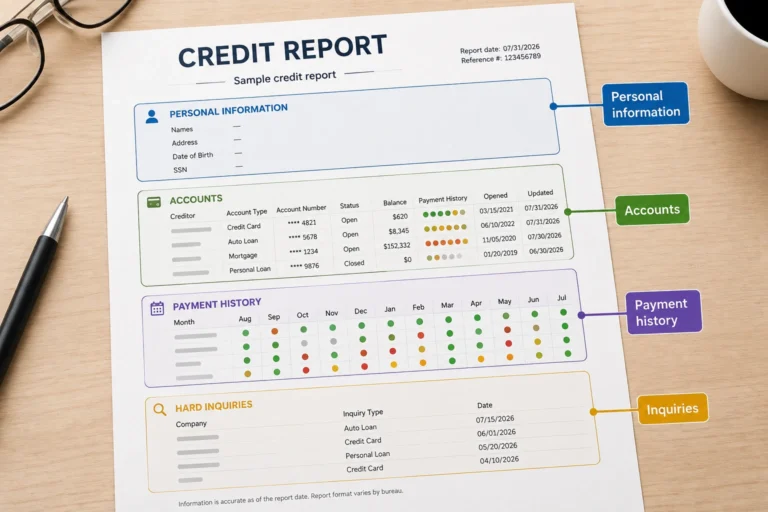
Before you dispute a paid charge-off or ask a creditor for a goodwill deletion, review exactly how the account appears on your credit reports. A wrong balance, incorrect status, duplicate tradeline, or inaccurate delinquency date may support a dispute, but an accurate negative account generally cannot be removed simply because it has been paid. If you are unsure where to find these details, start with this guide on how to read your credit report.
Compare all three credit reports
Review your reports from Equifax, Experian, and TransUnion. The account may not appear on all three reports, and the information may be displayed differently by each bureau. An incorrect balance or date may appear on only one report, which means you may need to dispute the error separately with that bureau.
Save a copy of each report before taking action. This gives you a record of what was reported and makes it easier to compare future updates or document a dispute.
Confirm who is reporting the account
Identify the company furnishing each tradeline. The original creditor may still own the debt, may have assigned it to a collection agency, or may have sold it to a debt buyer. The company that accepted your payment is not always the same company that originally opened the account.
Compare the creditor name, collection company name, partial account number, account type, and ownership information. If the original creditor sold the debt, its tradeline generally should not continue to show a balance owed to that creditor. A separate collection company or debt buyer may report the balance instead.
Review the balance and account status
If you paid the debt in full, the applicable current balance should generally be $0 after the payment is processed and reported. The account may show a status such as “paid charge-off,” “paid,” or similar wording.
If you completed a settlement for less than the full amount, the balance should also generally update to $0 after you satisfy the written agreement. However, the status may say “settled,” “paid for less than the full balance,” or something comparable.
If you made the payment recently, check the date the account was last updated. The creditor may not have completed its normal reporting cycle yet. An older update date may indicate that the credit bureau has not received the new balance or status.
Check the delinquency and removal dates
Pay close attention to the date of first delinquency, the date last updated, and any estimated removal date shown on the report. The date of first delinquency should remain connected to the missed payment that led directly to the charge-off.
A payment, settlement, transfer, or sale of the debt may create a newer update date, but it should not create a new date of first delinquency or restart the federal credit reporting period. If the delinquency date appears to have moved forward, compare the current report with older statements and previous credit reports.
Look for a separate collection account
An original creditor’s charge-off and a separate collection account may both appear on your credit reports. Their simultaneous appearance does not automatically mean the debt was reported twice by mistake. The two tradelines may describe different stages of the same debt.
However, the balances and ownership information should make sense. If the debt was sold, the original creditor generally should not report that you still owe it the balance. If the collection account was paid or settled, the collection balance should generally be updated to $0.
Gather records before taking action
Do not file a dispute based only on a credit-monitoring notification or an assumption that every paid charge-off should disappear. Compare the report with documents that show what happened and when.
Paid charge-off audit checklist:
- Current credit reports from Equifax, Experian, and TransUnion
- Original creditor and any collection company reporting the debt
- Partial account numbers shown on each tradeline
- Current balance and account status
- Date of first delinquency
- Date the account was last updated
- Estimated removal date, if provided
- Payment confirmation or bank record
- Paid-in-full letter or final account statement
- Written settlement agreement, if the debt was settled
- Earlier credit reports or statements that confirm the account history
Important: Identify the exact reporting problem before deciding what to do next. If the balance, status, ownership, or dates are wrong, you may have a valid reason to dispute the information. If every detail is accurate, the better option may be a goodwill request or continued credit rebuilding rather than an inaccurate dispute.
Valid reasons to dispute a paid charge-off
You can dispute a paid charge-off when the information is inaccurate, incomplete, outdated, duplicated, or cannot be verified. Paying the debt by itself is not a valid reason for deletion. Your dispute should identify a specific reporting error and include documents that support your claim.
Depending on the error, a successful dispute may result in a correction rather than the removal of the entire account. For example, a wrong charge-off balance may be changed to $0 while the accurate payment history remains.
The account does not belong to you
Dispute the account if you do not recognize it, it belongs to someone with a similar name, or it resulted from identity theft. Review the account number, creditor name, dates, and personal information before submitting your dispute. Identity theft cases may require an Identity Theft Report and additional documentation.
The balance was not updated after payment
A paid or settled charge-off generally should not continue to show the same outstanding balance as before the payment. If the creditor is still reporting an amount you no longer owe, provide a payment confirmation, settlement letter, or account statement showing the correct balance.
The payment status is incorrect
The account should accurately reflect whether it was paid in full or settled for less than the full balance. If your report does not show the correct status, dispute the paid charge-off and include documentation explaining how the debt was resolved.
The date of first delinquency is wrong
The date of first delinquency is the beginning of the continuous delinquency that led to the charge-off. This date affects how long the account may remain on your credit report. A creditor should not change it to a later date simply because you made a payment, entered a settlement, or the debt was transferred or sold.
Compare the reported dates with old statements, payment records, collection notices, and previous credit reports. An incorrect date of first delinquency could keep a charge-off on your reports longer than permitted.
The same charge-off is reported more than once
You may have grounds for a dispute if the same creditor reports the same charge-off twice as separate versions of the same account. However, an original creditor’s charge-off and a separate collection account are not automatically duplicates. Both may appear if each company reports its role accurately and the information is not misleading.
The charge-off is too old to be reported
Most charge-offs can generally remain on a credit report for approximately seven years from the delinquency that immediately preceded the charge-off. Paying the debt does not restart this federal credit-reporting period. If an obsolete charge-off continues to appear, you can dispute it with the credit bureau displaying it.
The information cannot be verified
When you dispute a specific error, the credit bureau must conduct a reasonable investigation. If the disputed information cannot be verified, it generally must be deleted or modified. A creditor’s failure to provide the result you want does not automatically make the account unverifiable, so include clear evidence and explain exactly what is wrong.
| What you find | Valid dispute issue | Possible result |
|---|---|---|
| The account is not yours | Wrong consumer or identity theft | The account may be blocked or deleted if your claim is confirmed |
| A balance remains after payment | Incorrect paid charge-off balance | The balance may be corrected |
| The account does not show paid or settled | Incorrect or incomplete status | The status may be updated |
| The delinquency date was moved forward | Incorrect date of first delinquency | The date may be corrected, or an obsolete account may be removed |
| The same creditor reports the same account twice | Duplicate tradeline | The duplicate entry may be deleted |
| The reporting period has expired | Obsolete negative information | The charge-off may be removed |
| A specific disputed detail cannot be verified | Unverifiable information | The information may be deleted or modified |
Important: Do not dispute accurate information simply because it is hurting your credit. A strong dispute identifies the exact paid charge-off reporting error, explains why it is incorrect, and includes supporting evidence.
How to dispute an inaccurate paid charge-off
If a paid charge-off contains a specific error, dispute it with every credit bureau reporting the incorrect information. You should also send a dispute directly to the creditor or other company that furnished the account information. The process is free, and you do not need to hire a credit repair company.
-
Get all three credit reports
Request your reports from Equifax, Experian, and TransUnion through AnnualCreditReport.com, the federally authorized source for free credit reports. A paid charge-off may appear differently on each report, so review all three rather than relying on a credit-monitoring app.
-
Identify which reports contain the error
Write down the name of each credit bureau reporting the problem. Compare the creditor’s name, partial account number, balance, payment status, date of first delinquency, and estimated removal date. Highlight or circle the incorrect information on a copy of each report.
-
Describe one specific reporting error
Do not submit a paid charge-off dispute that simply says, “Please remove this account.” Explain exactly what is inaccurate and why. For example, state that the account still shows a balance even though it was paid, or that the reported date of first delinquency does not match your records.
-
Gather supporting documents
Include copies of documents that support your claim. Depending on the error, useful evidence may include:
- A payment confirmation or canceled check
- A settlement agreement or paid-in-full letter
- Account statements showing the correct balance
- Correspondence from the original creditor or debt collector
- Previous credit reports showing different account dates
- An identity theft report if the account is fraudulent
Send copies rather than original documents. Keep the originals in your records.
-
Dispute the error with each credit bureau
Submit a separate dispute to every bureau displaying the inaccurate paid charge-off. You can generally file online or by mail, and some bureaus also accept disputes by phone. If you send a letter, use certified mail with a return receipt so you can document when it was delivered.
For bureau contact information, submission options, and a complete overview of the process, follow this guide on how to dispute errors on your credit report.
-
Send the dispute to the information furnisher
Send a separate dispute to the creditor, debt buyer, or other company that supplied the inaccurate information. Use the address listed on your credit report or the company’s designated dispute address. Clearly identify the account, explain the error, and include copies of your supporting evidence.
-
Request the appropriate correction
Ask for a result that matches the error. If the balance is wrong, request a balance correction. If the payment status is inaccurate, ask for the correct paid or settled status. Request deletion only when the account does not belong to you, is an improper duplicate, is too old to be reported, or cannot be verified.
-
Keep records and review the results
Save your dispute letters, supporting documents, submission confirmations, tracking numbers, and investigation results. When the investigation is complete, compare the response with a new copy of your credit report. Check all three reports again instead of assuming that a correction on one report automatically appears on the others.
Sample paid charge-off dispute wording
I am disputing inaccurate information associated with account ending in [last four digits]. My credit report dated [date] shows a balance of $[reported amount]. I paid or settled this account on [payment date], and the attached records show that the correct balance is $0. Please investigate this information and update the account balance and payment status to reflect the attached documentation.
Adapt the wording to the actual error. Include the account identifier, the inaccurate information, the correct information, and the evidence supporting your request.
Remember: A credit report dispute can correct or remove inaccurate information, but it does not require a credit bureau to delete an accurate paid charge-off simply because the debt has been resolved.
Can you request a goodwill deletion?
Yes. You can ask the company reporting an accurate paid charge-off to remove it as a goodwill gesture. However, goodwill deletion is voluntary. Neither the creditor nor the credit bureaus are required to remove accurate negative information simply because you paid the debt.
A goodwill request is different from a credit report dispute. A dispute challenges information that is inaccurate, incomplete, outdated, or unverifiable. A goodwill letter acknowledges that the account history is accurate but asks the company to make a voluntary exception.
When a goodwill request may be worth trying
A creditor may be more willing to consider a goodwill adjustment when:
- The charge-off has been paid in full and now shows a $0 balance
- You had a positive payment history before the financial hardship
- The missed payments resulted from a temporary hardship, such as a medical emergency, job loss, or family crisis
- You resolved the debt and have avoided additional missed payments
- You still have an active relationship with the creditor
These circumstances do not create a right to deletion. A charge-off is a serious account status, so a goodwill deletion for a paid charge-off may be more difficult to obtain than an adjustment for a single late payment.
Who should receive the goodwill letter?
Send the request to the company furnishing the charge-off information to the credit bureaus. This is usually the original creditor listed on the charge-off tradeline. If a separate collection account also appears, that account is reported by a different company and would require a separate request.
Do not send a goodwill request to Equifax, Experian, or TransUnion unless a bureau is also the source of the error. Credit bureaus generally cannot grant a goodwill deletion on behalf of the company that reported the account.
What to include in a paid charge-off goodwill letter
- Your name and contact information
- The creditor’s name and the last four digits of the account number
- A brief acknowledgment of the account history
- A concise explanation of the hardship that caused the missed payments
- The steps you took to pay or settle the debt
- A clear request to remove the charge-off tradeline from the credit bureaus
- Copies of relevant payment or hardship documentation
Keep the letter factual, respectful, and brief. Avoid blaming the creditor, making threats, or presenting accurate information as an error.
Sample goodwill request
I am writing regarding account ending in [last four digits]. I understand that the payment history and charge-off status were reported based on what occurred. The missed payments resulted from [brief explanation of the hardship], and I have since paid or settled the account.
I respectfully ask whether your company would consider removing the charge-off tradeline from the credit bureaus as a goodwill adjustment. Since resolving the account, I have taken steps to maintain on-time payments and prevent the situation from happening again. I understand that this request is voluntary, and I appreciate your consideration.
What happens after you send the request?
The company may agree to remove the account, decline the request, update only the balance or status, or provide no response. If it agrees, ask for written confirmation and check your reports from all three credit bureaus to verify that the change was completed.
Important: Do not repeatedly dispute an accurate paid charge-off after a goodwill request is denied. If the information is correct, the company may continue reporting it for the applicable credit-reporting period. No goodwill letter, credit repair company, or paid service can guarantee deletion.
Does pay for delete work after the debt is paid?
Usually not. A pay-for-delete arrangement is negotiated before payment, when a creditor or collection agency may be asked to remove an account in exchange for resolving the debt. Once the debt has been paid, there is no remaining payment to use as part of that negotiation.
You can still ask the company to remove the account voluntarily, but that is a goodwill request rather than pay for delete. The company is not required to grant the request, and paying a charge-off does not automatically remove accurate account history from your credit report.
Pay for delete is more common with collection accounts
Pay-for-delete requests are generally associated with collection agencies rather than original creditors. An original creditor may report the charged-off account, while a collection agency may report a separate collection account related to the same debt.
If a collection agency agrees to delete its collection tradeline, the original creditor’s charge-off may still remain. One company cannot normally remove information furnished by another company.
What if the debt has not been paid yet?
If you are considering a pay-for-delete proposal before paying, ask whether the reporting company is willing and able to remove its tradeline. Get any agreement in writing before sending payment. The document should identify the account, the amount you will pay, the deadline, and what the company agrees to request from the credit bureaus.
An oral promise is difficult to prove and does not guarantee deletion. Even a written proposal may be rejected because many companies have policies against removing accurate information in exchange for payment.
What if you already paid the charge-off?
After payment, focus on confirming that the account reports the correct balance and status. A paid-in-full charge-off should generally show a $0 balance and indicate that it was paid. A settled account should accurately reflect the settlement and any remaining balance, if applicable.
If the information is correct, you can submit a goodwill request, but deletion is not guaranteed. If the balance, status, dates, ownership, or other account details are incorrect, use the credit report dispute process instead.
| Situation | Realistic next step | What to expect |
|---|---|---|
| The debt has not been paid | Ask whether a written pay-for-delete agreement is available before paying | The company may accept, decline, or refuse to negotiate deletion |
| The debt has already been paid | Request a goodwill deletion | Removal is voluntary and not guaranteed |
| The paid charge-off contains an error | File a factual dispute and provide supporting documents | The error may be corrected, or unverifiable information may be removed |
| A separate collection account was deleted | Check the original creditor’s tradeline separately | The original charge-off may remain if it is accurate |
| The account is accurate and no deletion is approved | Confirm that the balance and status are correct | The paid charge-off may remain until the reporting period expires |
Bottom line: Pay for delete is not a reliable way to remove a charge-off after payment. If the debt is already resolved, your legitimate options are to dispute a specific reporting error or ask the furnisher for a voluntary goodwill deletion.
How long does a paid charge-off stay on your credit report?
A paid charge-off generally can remain on your credit report for about seven years from the date of first delinquency that led to the charge-off. Paying or settling the debt does not restart the federal credit-reporting period.
The controlling date is not the date you paid the account, the date the creditor charged it off, or the date it was last updated. It is the beginning of the continuous delinquency that immediately preceded the charge-off.
What is the date of first delinquency?
The date of first delinquency is the first missed payment in the uninterrupted series of missed payments that resulted in the account being charged off. It is not necessarily the first late payment that ever occurred on the account.
For example, if you missed a payment, brought the account current, and then became delinquent again several months later, the earlier late payment would not normally determine the charge-off reporting period. The later continuous delinquency that led to the charge-off would be the relevant event.
Example of the reporting timeline
| Account event | Date | Effect on the reporting period |
|---|---|---|
| First missed payment | March 2020 | The continuous delinquency begins |
| Account remains delinquent | March–August 2020 | The account is never brought current |
| Account is charged off | September 2020 | The charge-off does not create a new starting date |
| Debt is paid | June 2023 | Payment does not restart the reporting period |
| Reporting period is based on | March 2020 | The date of the delinquency that led to the charge-off controls |
| Expected removal | Around 2027 | The exact month may depend on the applicable FCRA calculation and bureau reporting practices |
In this example, paying the account in June 2023 does not allow the charge-off to remain until June 2030. The reporting timeline remains connected to the delinquency that began in March 2020.
What does not restart the reporting period?
The following events generally do not create a new date of first delinquency:
- Paying the charged-off balance in full
- Settling the debt for less than the full balance
- Entering a payment arrangement
- The creditor selling or transferring the debt
- A collection agency beginning to report a separate account
- The creditor updating the account status or balance
A newer “date updated” or “date reported” does not necessarily mean the reporting period restarted. Those dates may show when a company most recently sent information to a credit bureau. They are different from the date of first delinquency.
Why can the exact removal date vary?
The Consumer Financial Protection Bureau explains that most negative information can generally be reported for seven years. Consumer-facing credit bureau guidance also commonly describes a charge-off as remaining for seven years from the first delinquency that led to it.
The technical language of the Fair Credit Reporting Act states that the seven-year period for a charged-off account begins after a 180-day period starting with the delinquency that immediately preceded the charge-off. Because the statutory calculation and bureau removal practices may produce different estimated months, avoid relying on a date calculated from the payment date.
What should you do if the charge-off appears too long?
- Check the date of first delinquency in each credit report.
- Look for an estimated removal date, if the report provides one.
- Compare the reported dates with old statements and previous credit reports.
- Dispute the account if the delinquency date is incorrect or the legally permitted reporting period has expired.
- Include documents showing when the continuous delinquency actually began.
Bottom line: A paid charge-off does not receive a new reporting period when you pay it. Its removal timeline remains tied to the original continuous delinquency that led to the charge-off.
What if a charge-off and a collection both appear?
A charge-off and a collection account can both appear on your credit report without being duplicates. The original creditor reports the history of the account it issued, while a collection agency or debt buyer may report a separate tradeline for collecting the same debt.
These entries represent different stages of the account. The charge-off shows what happened with the original creditor, and the collection account shows who later received or purchased the debt. Learn more about the differences between a charge-off and a collection before deciding whether either entry should be disputed.
Why can the same debt appear twice?
An original creditor may charge off an account and then assign or sell the debt to another company. The original account does not have to disappear when a collection account is added because its payment history remains part of your credit record.
If the original creditor sold the debt, its account should generally show a $0 balance because the balance is no longer owed to that creditor. The debt buyer or collection agency may then report the amount it is authorized to collect.
If the creditor only hired a collection agency and retained ownership of the debt, the reporting may look different. Confirm who owns the account before assuming that two reported balances are automatically an error.
What should happen after the collection is paid?
If you paid or settled the debt through the collection agency, the collection tradeline should be updated to show the correct balance and payment status. The original creditor’s charge-off may remain because paying the collection does not erase the earlier account history.
Removing a collection account also does not automatically remove the original charge-off. Each company controls only the information it furnishes to the credit bureaus.
When two entries may indicate a reporting error
| What appears on the report | What it may mean | What to do |
|---|---|---|
| The original creditor reports a charge-off with a $0 balance, and a debt buyer reports the outstanding balance | This is generally consistent with a sold debt | Verify that the amounts, ownership, and dates are accurate |
| A paid collection shows a $0 balance, but the original charge-off remains | This may be accurate because the entries report different account histories | Confirm that both statuses and balances are correct |
| The original creditor and debt buyer both claim that you owe them the same full balance after the debt was sold | One of the balances or ownership details may be incorrect | Ask both companies to verify ownership and dispute any inaccurate information |
| The same company reports the identical account twice | This may be an improper duplicate tradeline | Compare the account numbers and dispute the duplicate if confirmed |
| The collection account has a recent date opened | This may show when the collector received the account, not when the original delinquency began | Check the date of first delinquency and estimated removal date |
| The collection account uses a newer delinquency date to extend the reporting period | This may be an improper re-aging error | Dispute the date and include earlier statements or credit reports |
| The collection account was removed, but the original charge-off remains | This is not automatically an error | Review the original account separately for inaccurate information |
How to check whether the reporting is accurate
- Match the collection account to the original creditor and debt.
- Confirm whether the debt was sold or only assigned for collection.
- Check which company currently reports an outstanding balance.
- Verify the payment or settlement status on each tradeline.
- Compare the date of first delinquency and estimated removal date.
- Look for two identical entries furnished by the same company.
- Dispute only the specific balance, date, ownership, or duplicate error you can identify.
A collection account may have a newer date opened because the collection company received the debt later. That date does not give the company a new credit-reporting period. The removal timeline remains connected to the original delinquency that led to the charge-off and collection.
Important: Do not dispute both entries solely because they relate to the same debt. According to the Consumer Financial Protection Bureau, confirmed multiple listings should be disputed with the credit reporting company and the original creditor or other furnisher that supplied the information.
Will removing a paid charge-off increase your credit score?
Removing a paid charge-off may increase your credit score, but there is no guaranteed number of points. The result depends on the rest of your credit report, the age of the charge-off, the credit bureau providing the data, and the scoring model used.
Complete removal is different from updating the account to show that it was paid. If the balance changes to $0 but the charge-off remains, the negative payment history is still part of your credit report. That update may help in some situations, but it may produce only a small score change or no immediate change.
Removal versus a paid status update
| Credit report change | What remains | Possible score effect |
|---|---|---|
| The balance is updated to $0 | The charge-off and payment history remain | The score may increase, remain unchanged, or respond differently under another scoring model |
| The status changes to paid or settled | The negative account history remains | The immediate score effect may be limited |
| The entire charge-off tradeline is removed | The account no longer appears in that bureau’s report | The potential positive effect may be greater, but it is not guaranteed |
| The account is removed from only one bureau | It remains in reports from the other bureaus | Only scores calculated from the updated report can reflect the removal |
What determines the size of the score change?
The effect of removing a paid charge-off may depend on:
- Whether it was the only serious negative item on your credit report
- How recently the charge-off occurred
- Whether other charge-offs, collections, or late payments remain
- The length and strength of your remaining credit history
- Your reported credit card balances and utilization
- Recent credit applications and hard inquiries
- Which credit bureau’s report is used to calculate the score
- Which FICO or VantageScore model is used
FICO explains that it is not possible to measure the exact impact of one factor without considering the entire credit report. The importance of each scoring category can also vary from one consumer to another.
When removal may have a more noticeable effect
The score change may be more noticeable when the paid charge-off is the only major derogatory account and the rest of the credit report contains a long record of on-time payments, low balances, and few recent applications.
The effect may be limited when several negative accounts remain. Removing one charge-off does not remove separate collections, late payments, repossessions, or other accurate derogatory information.
| Credit profile | Possible outcome |
|---|---|
| The charge-off was the only major negative account | Removal may have a more noticeable positive effect |
| Several charge-offs or collections remain | The increase may be limited or difficult to notice |
| The charge-off was already old | The immediate effect may be smaller than the removal of a recent negative item |
| Only the balance or paid status changed | The score may improve slightly or remain unchanged |
| The tradeline was removed from one bureau only | Scores based on the other two reports may not change |
| A different scoring model is checked | The result may differ even when the credit report contains similar information |
How to measure the result accurately
- Confirm that the charge-off was removed from the credit report you are reviewing.
- Compare scores based on the same credit bureau and the same scoring model.
- Check whether other balances, accounts, or inquiries changed at the same time.
- Review all three credit reports because the account may not be removed from each one simultaneously.
- Do not compare a FICO Score based on one bureau with a VantageScore based on another bureau.
A score shown by a free monitoring service may not be the same score a mortgage, auto, or credit card lender uses. Lenders may use different scoring models and versions, so even a real score increase does not guarantee approval or a specific interest rate.
Bottom line: Full removal of a paid charge-off can help your credit score, especially if it eliminates your only major negative account. However, no creditor, credit bureau, or credit repair company can accurately promise a specific number of points.
What to do if an accurate paid charge-off cannot be removed
If an accurate paid charge-off cannot be removed, confirm that it is reported correctly and then focus on building positive credit history. Repeated disputes will not require a credit bureau to delete accurate information, and no legitimate credit repair company can guarantee its removal.
The charge-off may remain until its reporting period expires, but it does not have to stop you from making progress. Follow this detailed plan to fix your credit score after paying off debt, or begin with the priorities below.
1. Confirm that the account was updated correctly
Review the charge-off in all three credit reports and make sure the current information matches how the debt was resolved.
- The balance should reflect what you still legally owe under the payment or settlement agreement
- A fully resolved account should generally show a $0 balance
- The status should accurately indicate whether the account was paid in full or settled
- The date of first delinquency should match the delinquency that led to the charge-off
- The estimated removal date, if provided, should be consistent with the original delinquency
Keep your payment confirmation, settlement agreement, account statements, and correspondence. You may need them if the balance, status, or reporting dates become inaccurate later.
2. Protect every current payment
Pay every open account by its due date. A new late payment can add another negative item while the charge-off is still present. Automatic payments and account alerts can help prevent missed due dates, but you should still confirm that each payment was processed successfully.
3. Reduce revolving credit balances
If you use credit cards, keep the reported balances low relative to their credit limits. Paying balances down may improve the amounts-owed portion of your credit profile. You do not need to carry a balance or pay interest to build credit.
4. Keep useful positive accounts open
An older account with positive payment history may support the length of your credit history. Avoid closing it only because you have paid off the balance. However, closing an account may still make sense if it has an unaffordable annual fee, encourages overspending, or creates a fraud risk.
5. Limit unnecessary credit applications
Apply for new credit only when it serves a clear purpose. Several applications within a short period can add hard inquiries and may make your financial situation appear less stable to potential lenders.
6. Add positive credit carefully if needed
If you have no open accounts reporting positive activity, consider one appropriately priced credit-building product, such as a secured credit card. Review the fees, confirm that the issuer reports to the nationwide credit bureaus, make small purchases, and pay the bill on time.
Do not open several accounts at once or take on unnecessary debt solely to pursue a higher score. A new account is useful only if you can manage it consistently and affordably.
7. Monitor all three credit reports
Check Equifax, Experian, and TransUnion regularly. Confirm that the paid charge-off is not assigned a new date of first delinquency, an incorrect balance, or a misleading status. Also verify that any related collection account is updated separately.
| Priority | Action | Why it matters |
|---|---|---|
| First | Confirm the correct balance, status, and dates | Prevents inaccurate information from continuing to affect the report |
| Next | Pay every current account on time | Adds positive payment history and prevents new derogatory marks |
| Next | Reduce revolving credit balances | May improve the amounts-owed portion of the credit profile |
| As needed | Add one manageable credit-building account | Can create new positive history when few open accounts remain |
| Ongoing | Monitor all three credit reports | Helps identify balance errors, duplicate reporting, or improper re-aging |
| Long term | Allow the accurate charge-off to age | Older negative information may have less influence than recent negative activity |
Bottom line: If an accurate paid charge-off stays on your credit report, stop focusing only on deletion. Make sure the account is reported correctly, protect every current payment, keep credit card balances manageable, and allow new positive history to build over time.
Bottom line
So, can a paid charge-off be removed? Sometimes, but paying the debt alone does not require the creditor or credit bureaus to delete an accurate charge-off. Payment should update the balance and status, while the accurate negative account history may remain until the applicable credit-reporting period expires.
Removal or correction may be possible when the account does not belong to you, contains an incorrect balance or status, uses the wrong date of first delinquency, appears as an improper duplicate, is too old to be reported, or cannot be verified after a dispute. You can also request a goodwill deletion, but the reporting company is free to decline it. Pay for delete is generally not a practical option after the debt has already been paid.
Start by reviewing all three credit reports and gathering your payment records. File a dispute if you find a specific error, send a goodwill request if the information is accurate, or focus on building positive credit history if removal is unavailable.
Frequently asked questions
Can a paid charge-off be removed before seven years?
Yes, but only in limited circumstances. Removal may be possible if the information is inaccurate, incomplete, duplicated, outdated, or cannot be verified after a dispute. The company reporting an accurate charge-off may also agree to a voluntary goodwill deletion, but paying the debt alone does not require removal.
Does paying a charge-off restart the seven-year period?
No. Paying or settling a charge-off does not restart the federal credit-reporting period. The timeline remains connected to the beginning of the continuous delinquency that immediately preceded the charge-off, not the later payment, settlement, sale, or account update date.
Should a paid charge-off show a $0 balance?
If you paid the account in full or completed a settlement that resolved the debt, the reported balance should generally be $0. The status should accurately distinguish between paid in full and settled for less than the full balance. Dispute the account if the balance or status does not match your agreement and payment records.
Can you dispute an accurate paid charge-off?
A credit report dispute should identify specific information that is inaccurate or incomplete. Do not dispute an accurate charge-off solely because it is negative. A credit bureau may decline to investigate a dispute it reasonably determines is frivolous or irrelevant, but it must notify you and explain that decision.
Can a deleted charge-off reappear on your credit report?
It can reappear if it was deleted during a dispute and the information furnisher later certifies that the account is complete and accurate. Under the Fair Credit Reporting Act, the credit bureau must notify you within five business days after reinserting previously deleted information.
What if only one credit bureau removes the paid charge-off?
Check all three reports separately. If the same error remains with another bureau, submit a dispute to that bureau and include your supporting documents. A change to one report does not always appear on the other reports at the same time.
Is a paid charge-off the same as a paid collection?
No. A charge-off is reported by the original creditor after it treats a delinquent account as a loss. A collection account may be reported separately by a collection agency or debt buyer. Paying or removing one tradeline does not automatically remove the other.
How soon should a charge-off update after payment?
There is no single update date that applies to every creditor. Furnishers generally report account information on their regular reporting cycle. If the balance and status are not corrected after the payment has been processed and reported, contact the furnisher and dispute the inaccurate information with each affected credit bureau.
Sources
This article was reviewed against the following U.S. consumer-protection guidance, credit bureau information, scoring resources, and federal law on July 18, 2026:
Consumer Financial Protection Bureau: Is it possible to remove accurate negative information from my credit report?
Consumer Financial Protection Bureau: How do I dispute an error on my credit report?
Consumer Financial Protection Bureau: How long does it take to repair an error on a credit report?
Consumer Financial Protection Bureau: How long does information stay on my credit report?
Consumer Financial Protection Bureau: How do I remove debts listed multiple times?
Federal Trade Commission: Fair Credit Reporting Act
AnnualCreditReport.com: Federally authorized source for free credit reports
Experian: How to remove a charge-off from your credit report
Equifax: Charge-off frequently asked questions
myFICO: How FICO Scores are calculated
Financial disclaimer
This article is for general educational purposes only and does not constitute financial, legal, tax, or credit repair advice. Credit reporting results, credit scores, lender requirements, and individual circumstances vary. Fix My Money Life does not guarantee that a charge-off will be removed or that any action will increase your credit score.
Review your credit reports and account documents before taking action. Consider consulting a qualified attorney, nonprofit credit counselor, or other appropriate professional if you need advice about your specific circumstances or legal rights.