In this guide
- What does “canceled by credit grantor” mean?
- Does “canceled by credit grantor” mean the account is bad?
- Why would a creditor close your account?
- Does a creditor-closed account hurt your credit score?
- Example: utilization after the issuer closes a card
- What if the account still has a balance?
- What if the account was closed for inactivity?
- What should you do if the creditor closed the account?
- Can you ask the issuer to reopen the account?
- What if the report says “canceled by credit grantor” but you closed it?
- How long will the closed account stay on your credit report?
- Frequently asked questions
- Bottom line
- Sources
Quick answer: “Canceled by credit grantor” generally means the lender or card issuer closed the account rather than you requesting the closure. It does not automatically mean the account was delinquent or charged off. The CFPB says card issuers generally can close an account, sometimes without advance notice. What matters for your credit is the information reported with the closure: the balance, payment history, account status, credit limit, and whether the account is accurate. A lender-initiated closure can also reduce your total available revolving credit and potentially raise utilization if other card balances remain. If the report says the creditor closed the account but your records show otherwise, dispute the specific inaccurate status or comment.
What does “canceled by credit grantor” mean?
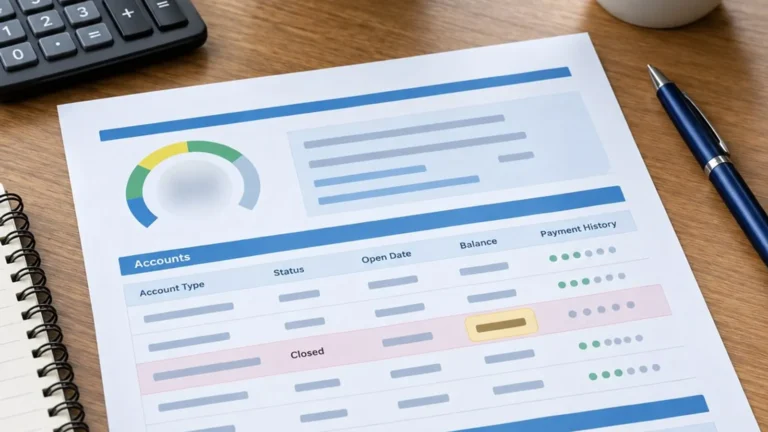
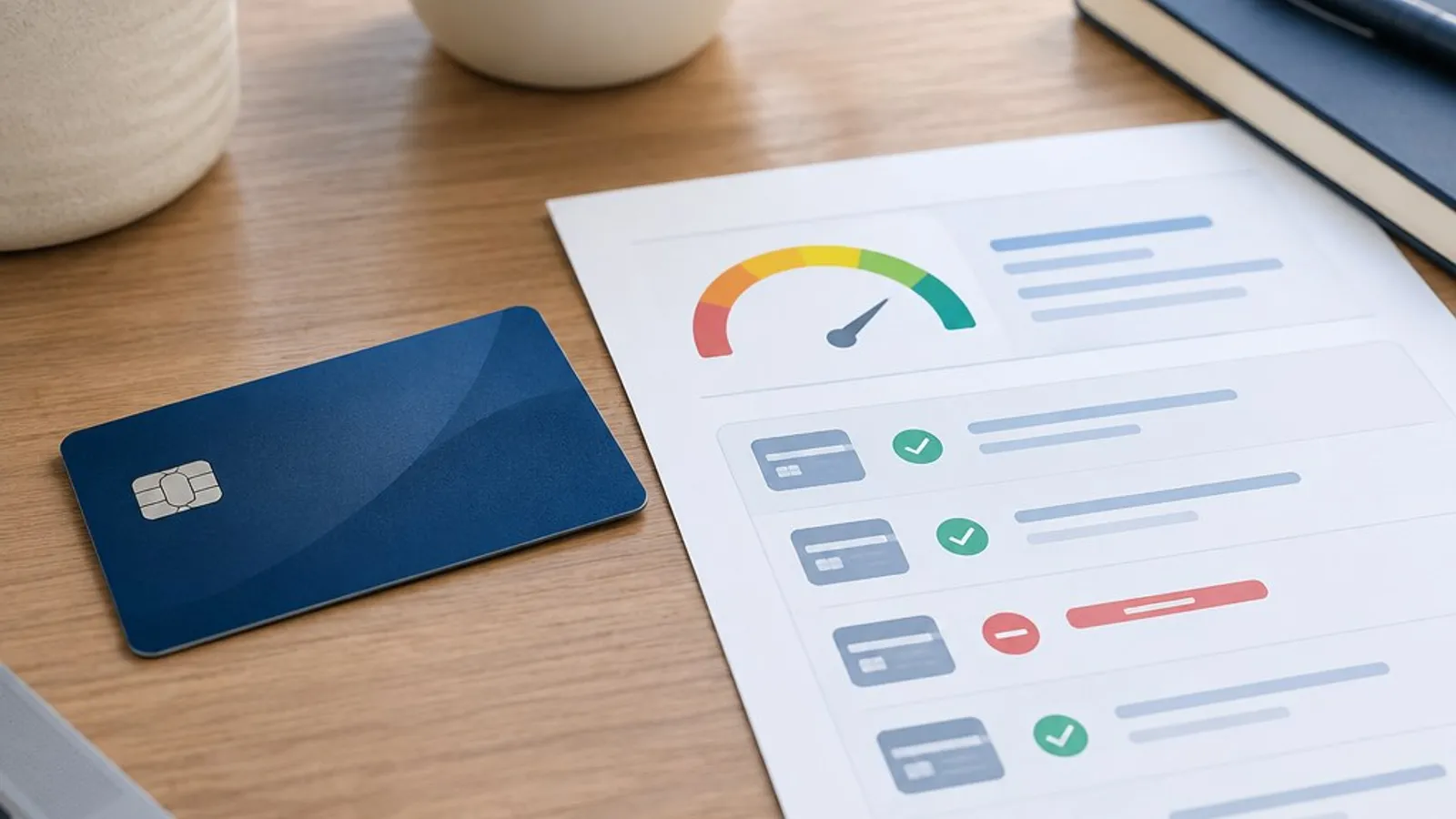
The phrase is commonly used as an account comment or status indicating that the creditor made the decision to close the account.
It can appear on a credit card or other revolving account that is no longer available for new charges.
Does “canceled by credit grantor” mean the account is bad?
Not by itself.
You need to look at the rest of the tradeline:
- current balance;
- past-due amount;
- payment history;
- charge-off or collection status;
- date closed;
- credit limit; and
- whether the account was paid as agreed.
An account can be closed by the issuer while showing a $0 balance and an otherwise positive history. It can also be closed after missed payments or other risk concerns. The comment alone does not tell the whole story.
Why would a creditor close your account?
Possible reasons include:
- long periods of inactivity;
- missed or returned payments;
- risk-management decisions;
- changes in the issuer’s product lineup;
- suspected fraud or security concerns;
- account terms or eligibility changes; or
- a broader lender decision to reduce exposure.
The CFPB says issuers generally reserve the right to close accounts and can often do so without giving advance notice.
Does a creditor-closed account hurt your credit score?
The closure can affect your score indirectly, especially if it removes available revolving credit while other card balances remain.
FICO explains that closing a credit card can raise utilization because the closed card’s available credit is no longer included in the revolving-credit calculation. The score effect varies by profile.
Who initiated the closure is not, by itself, a guaranteed point loss. FICO says the result depends on the rest of the credit report.
Example: utilization after the issuer closes a card
| Before closure | After closure | |
|---|---|---|
| Card A | $1,000 / $5,000 | $1,000 / $5,000 |
| Card B | $0 / $5,000 | Closed |
| Total revolving utilization | $1,000 / $10,000 = 10% | $1,000 / $5,000 = 20% |
This is only a mathematical example. It does not predict a specific FICO Score change.
What if the account still has a balance?
Closing the account does not erase money you still owe. If the account was closed with a balance, you generally still need to make required payments under the account terms.
If you paid the balance but the report still shows money owed, see why a closed account may still show a balance.
What if the account was closed for inactivity?
An inactive account can be closed even if you never missed a payment. If you want to keep an unused card open, occasional legitimate use can sometimes reduce the likelihood of inactivity closure, but the issuer can still decide to close the account.
Do not make unnecessary purchases or carry interest-bearing debt just to keep a card open.
What should you do if the creditor closed the account?
- Read the issuer’s notice or secure message. Look for the stated reason.
- Check the account balance. Confirm what you still owe, if anything.
- Review the credit report. Make sure the status, balance, payment history, and dates are accurate.
- Recalculate utilization. If the lost credit limit matters, review your remaining card balances.
- Call the issuer if you need clarification. Ask whether reinstatement or reconsideration is available.
- Do not open several replacement cards automatically. New applications can create hard inquiries and new accounts.
Can you ask the issuer to reopen the account?
You can ask, but reopening is not guaranteed. Some issuers may review the decision; others may require a new application or refuse to reopen the account.
Before authorizing any new application, ask whether the request will involve a hard inquiry.
What if the report says “canceled by credit grantor” but you closed it?
If you requested the closure and the report incorrectly states that the creditor closed it, first confirm whether the wording is actually material to your lender’s records and whether the underlying account status is otherwise accurate.
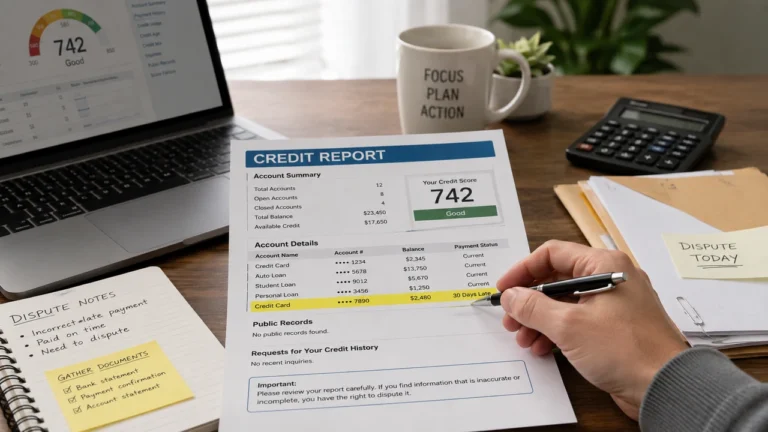
If the comment or status is factually wrong, you can dispute that specific information with the bureau and furnisher. Use our credit-report dispute guide.
How long will the closed account stay on your credit report?
Closing the account does not make it disappear immediately. Positive closed accounts can remain on a credit report for years, and accurate negative history has separate reporting periods.
See how long paid-off debt can stay on your credit report.
Frequently asked questions
Is “canceled by credit grantor” the same as a charge-off?
No. A charge-off is a specific accounting and delinquency status. A creditor-initiated closure can happen without a charge-off.
Does the comment itself lower your score?
The practical score effect usually comes from the account data associated with the closure, such as utilization, balance, payment history, and account status. There is no universal point penalty for the phrase itself.
Can an issuer close a credit card without notice?
Yes. The CFPB says card issuers generally can close an account without advance notice.
Should I dispute a creditor-closed account?
Only if the reported information is inaccurate or incomplete. Do not dispute an accurate closure simply because you dislike the decision.
Bottom line
“Canceled by credit grantor” generally means the lender closed the account. Check the reason, remaining balance, payment history, and effect on available credit. The closure is not automatically a derogatory event, but the surrounding account information can affect your credit profile.
Explore related guides on credit cards and utilization.
To understand the entries and statuses behind your score, use our credit report reading checklist before deciding what to do next.
Sources
- CFPB: Issuer closed account without notice
- CFPB: Card issuer account closure
- FICO: Limit reductions and account closures
- CFPB: Common credit-report errors
This article provides general U.S. educational information and is not individualized financial or legal advice.