
In this guide
- First, was the card replaced or was the account closed?
- Where does a refund to a closed credit card actually go?
- What if you still owe money on the closed card?
- How to get your refund from a closed credit card: six practical steps
- Credit balance refund request: a message you can send
- How long will a refund to a closed credit card take?
- What if the refund never appears?
- Mistakes to avoid when a refund goes to a closed account
- What to check next: a two-minute document checklist
- Frequently asked questions
- Sources and methodology
You returned a purchase, the store says it refunded your credit card, and then you remember: that credit card account is closed. The old card has disappeared from your banking app. So where did the refund go — and how do you get the money back?
Quick answer: A refund to a closed credit card is not automatically lost. The original issuer may accept the merchant credit, apply it to an unpaid balance, or hold a remaining credit balance that it owes you. An issuer may also reject the refund, in which case the merchant needs to investigate the failed transaction. Start by asking the original card issuer whether it received the refund, then request any remaining credit balance in writing.
This guide covers U.S. consumer credit cards, not closed checking accounts, debit cards, prepaid cards, or buy now, pay later plans. The steps and protections can differ for those products.
First, was the card replaced or was the account closed?
An expired card, a deactivated card number, and a closed credit account are not the same thing. If your old card was replaced because it expired, was lost, or was stolen, the underlying account may still be active. In that case, the issuer may route the refund to the existing account or replacement card. Our guide to replacing a lost credit card explains why a new card number does not always mean a new account.
If the entire credit account was closed, the issuer may still receive credits associated with an earlier purchase. What happens next depends on whether the issuer accepted the credit and what the account balance looks like afterward. Payment processor Stripe describes both the usual handling of refunds to expired or canceled cards and the possibility of a failed refund.
| Your situation | Where to look first | What to ask |
|---|---|---|
| Old card expired or was replaced; account is still open | Current card account | Did the credit post under the replacement card or existing account? |
| Account closed with an unpaid balance | Original issuer | How much of the refund reduced the amount owed? |
| Account closed with a zero balance | Original issuer | Did the credit create a balance payable back to me? |
| Issuer rejected the merchant refund | Merchant and its payment processor | Has the refund failed, and how will you complete it? |
| Neither party can locate the money | Merchant first, then issuer | What is the transaction status, date, and trace reference? |
The key question is not whether the plastic card still works. It is whether the issuing bank accepted the incoming credit.
Where does a refund to a closed credit card actually go?
Think of the process in three separate stages:
- The merchant approves and submits the refund. A return receipt or email shows what the merchant says it did, but may not prove that the issuer has posted the credit.
- The issuer receives, posts, or rejects the credit. If the original account is still identifiable, the issuer may be able to reconcile the return even after closing the account. If the credit is rejected, the merchant may need to resolve the failed refund.
- Any remaining credit balance is returned to you. If the account has no debt left and the accepted refund leaves money owed to you, ask the issuer how to receive that balance.
These are different events. A merchant’s “refund complete” message is not the same as a bank-issued check, and a refund posted to a closed account is not necessarily a deposit into your checking account.
For a broader explanation of card balances and how issuers report them, see the credit cards and utilization guide.
What if you still owe money on the closed card?
Closing a credit card generally does not cancel an unpaid balance. The Consumer Financial Protection Bureau (CFPB) explains that scheduled repayment may still be required and that interest may continue according to the terms.
If the issuer accepts a merchant refund, it can reduce what you owe before there is any money to return to you. Here are three hypothetical examples, assuming the full refund posts and no other transactions, fees, or interest change the account:
| Balance before refund | Merchant refund | Balance after refund | Money to request back |
|---|---|---|---|
| $420 owed | $260 | $160 owed | $0 |
| $100 owed | $250 | $150 credit | $150 |
| $0 owed | $250 | $250 credit | $250 |
A “credit balance” or a negative statement balance means the issuer owes you money on that account. It does not mean you owe an additional amount. See what happens if you overpay your credit card for the general credit-balance rules.
Do not assume a merchant refund satisfies your minimum payment. A returned purchase and a card payment are treated differently, and your due amount may not change in the way you expect. Confirm with the issuer before skipping a scheduled payment; our guide explains whether a credit card refund counts as a payment.
How to get your refund from a closed credit card: six practical steps
1. Collect proof of the original purchase and return
Save the original transaction date, merchant name, purchase amount, refund amount, refund confirmation, any return receipt, and the last four digits of the original card. Record the date on which the merchant says it submitted the refund.
Ask the merchant whether the refund is pending, submitted, completed, or failed. Payment-processing labels differ, so ask what that status means in its system rather than guessing.
2. Call the original credit card issuer
Contact the bank that issued the credit card used for the purchase, even if its app no longer displays your account. Use the official phone number on an old statement, a closure notice, or the issuer’s website.
Say: “I received a merchant refund after this credit card account was closed. Can you check whether the refund reached my old account and explain how it was handled?”
Have your refund documentation ready. You may need to complete the bank’s normal identity verification. Avoid sending full card numbers, Social Security numbers, or account documents through an unverified email or messaging link.
3. Ask for an account reconciliation
If the issuer received the credit, request a record showing the posted refund, any unpaid balance, relevant interest or other debits, and the amount — if any — now owed to you. If online access is unavailable, ask for a final or updated account statement.
The amount on the merchant receipt is not necessarily the amount the bank must send back if some of the refund legitimately reduced outstanding debt.
4. Request the credit balance back in writing
For covered U.S. credit card accounts, Regulation Z, 12 CFR § 1026.11 says that when a credit balance exceeding $1 exists, the creditor must refund the requested remaining amount within seven business days after receiving a written request. The regulation also permits the issuer to honor an oral or electronic request. For a clear record, ask the bank which channel it accepts for a written credit-balance request.
This rule concerns money already owed to you as a credit balance. It does not start the day a retailer accepts your return.
5. Confirm how the issuer will send the money
Depending on the issuer and account, a credit balance might be returned by check or another available method. Confirm the refund amount, method, issue date, and mailing address or approved deposit details. Keep your new address on file if you moved after closing the card.
If a check was previously issued, ask for its date and status before requesting a replacement.
6. Keep a short written timeline
Save the merchant confirmation, your written request, proof it was received, case number, account statements, and the issuer’s response. Write down the name or department of anyone you spoke with and what was actually confirmed. This record is useful if the two companies give conflicting answers.
Credit balance refund request: a message you can send
Use the bank’s designated, verified channel for credit-balance requests. The address for credit card payments or formal billing-error notices may be different.
Subject: Request for credit balance refund on closed credit card account
I am requesting payment of the remaining credit balance on my closed credit card account ending in [last four digits].
The refund of $[amount] from [merchant] was submitted on [date]. Please confirm whether the credit has posted, whether any part was applied to an outstanding balance, and the amount currently payable to me.
If a credit balance remains, please treat this as my written request to refund that amount. Please confirm the refund method, issue date, and whether you need to verify my current mailing address.
Thank you,
[Your name]
[Date]
If the issuer says the credit never arrived, do not send this as though an established credit balance already exists. Start with the merchant tracing step below.

How long will a refund to a closed credit card take?
There is no single clock for the entire process. Separate these stages:
- Merchant processing: The seller and its payment processor submit the refund. Timing varies, and a refund approval is not proof that the issuer has received it.
- Issuer posting or rejection: The issuer determines whether the credit reaches the old or related account. Ask both parties for the actual status and processing date.
- Return of an existing credit balance: For a covered balance greater than $1, the seven-business-day refund requirement runs from the issuer’s receipt of your written request under § 1026.11. Delivery of a mailed check can be a separate step.
You do not need to wait six months to ask for your money. The same regulation separately requires the creditor to make a good-faith effort to return a qualifying credit balance that has remained on the account for more than six months. That is a backstop, not a recommendation to wait. Other applicable laws may govern smaller balances or funds that cannot be returned.
If you are tracking a deadline, record both the date of the merchant’s submission and the date the bank actually received your written request. They answer different questions.
What if the refund never appears?
Start by identifying which company last confirmed possession or acceptance of the refund.
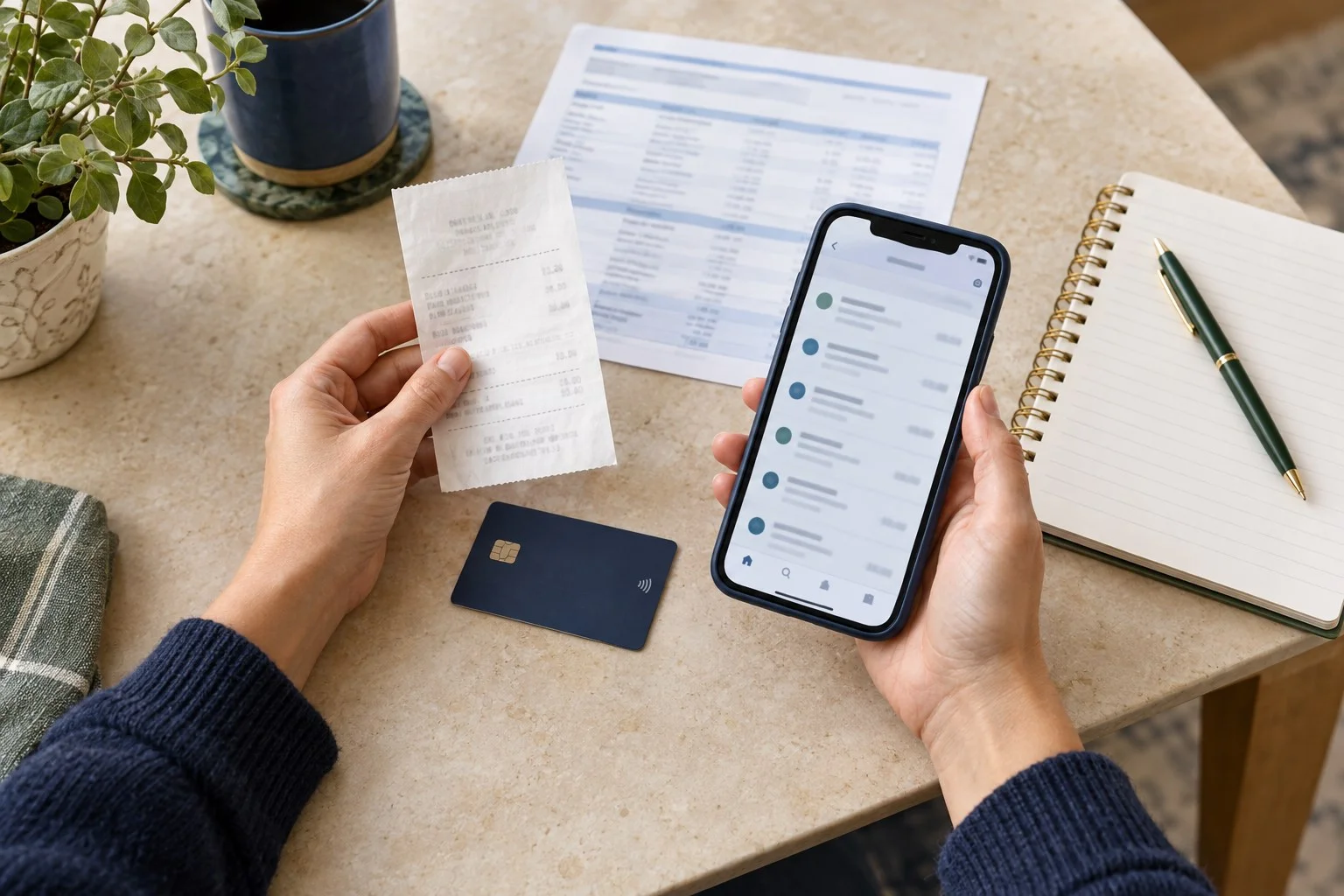
The merchant says it refunded you, but the issuer sees nothing
Ask the merchant for the refund amount, original transaction, submission date, status, and any trace reference the payment processor provides. Stripe identifies references such as an Acquirer Reference Number (ARN), STAN, or RRN for some refund-tracing situations. Not every transaction has each reference, and a transaction reversal may appear differently from a separately posted credit.
Provide the available reference to the issuer and ask it to search for the incoming credit. Do not request a second refund before establishing whether the first one succeeded: duplicate payments complicate reconciliation.
The issuer says it rejected the refund
Ask for the rejection status or written explanation, then return to the merchant. The seller may need to confirm the failed refund with its processor and arrange an approved alternative way to return the money. Do not assume every merchant can simply redirect a completed refund to a different card.
The issuer accepted the refund but will not return the credit balance
Request an itemized account reconciliation and submit a documented written credit-balance request. Ask what, if anything, is delaying payment. If the bank does not resolve the issue, you may submit a complaint to the CFPB with the return receipt, statement, request, and timeline.
The issuer failed to show a credit that should have appeared on a statement
This may involve a billing error, which is different from an ordinary request to send you an existing credit balance. Regulation Z § 1026.13 provides a formal notice process for qualifying errors, including improperly omitted credits. Generally, a qualifying written notice must reach the designated billing-inquiries address within 60 days after the statement that should have shown the credit was transmitted. Different situations can affect which statement matters, so do not delay while informally tracing the refund.
The FTC’s credit card dispute guidance explains the notice process. A routine customer-service message may not satisfy a formal billing-error notice requirement. For the related but separate issue of disputed purchases, see how disputing a credit card charge affects your credit.
Mistakes to avoid when a refund goes to a closed account
- Assuming the money vanished because the card number is inactive. Confirm whether the underlying account was replaced or closed.
- Treating a return receipt as proof that the bank owes you cash. First confirm whether the refund posted and whether it reduced debt.
- Stopping payments while waiting for the refund. Follow the issuer’s actual amount-due instructions unless a separate, applicable dispute protection changes your obligations.
- Waiting six months before requesting a credit balance. The six-month rule does not prevent earlier written requests.
- Sending a billing-error letter to the payment address. The formal dispute address and the credit-balance request channel can be different.
- Trying to collect two refunds for one return. Trace the first refund before asking a merchant to reissue it.
What to check next: a two-minute document checklist
Before your next call, put these facts in one note: (1) original purchase date and amount; (2) date, amount, and status of the merchant refund; (3) old card’s last four digits; (4) date the account closed; (5) last known account balance and most recent statement; (6) any refund trace reference; and (7) the current address the issuer has on file.
If you have not yet closed the card, consider waiting for a pending return to settle when doing so is practical and does not create an unwanted cost. You can also review whether closing a credit card may affect your credit score. You do not need to keep an account open forever merely to track a legitimate refund.
Frequently asked questions
Can a refund go to a canceled or expired credit card?
Often, yes. If the card was replaced but the underlying account remains active, the issuer may route the credit to that account. If the entire account closed, ask the original issuer whether it accepted the credit and how it reconciled the balance.
Can the store send my refund to a different card?
Not necessarily. Payment processors commonly return a transaction to its original payment method. For example, Stripe says its refunds cannot be redirected to a different card. If the refund fails, ask the seller what alternative process is available for its particular payment system.
Does the seven-business-day rule mean my check must arrive in seven days?
The rule addresses the creditor’s refund obligation after it receives an eligible written request for an existing credit balance. Processing and delivery of a mailed check can involve separate dates. Ask the issuer when the refund was issued and how it was sent.
Do I have to reopen the account to receive the money?
Do not assume so. Ask the original issuer how it handles accepted merchant credits and credit balances on closed accounts. Opening a new credit account should not be your first attempt at recovering the refund.
Will the refund improve my credit score?
A refund can lower the balance you owe, but a particular score change is never guaranteed. Separately, closing an account can affect available credit and utilization. Check your credit reports if you need to understand what changed; do not confuse the refund process with the credit-scoring process.
Is this the same as getting a secured credit card deposit back?
No. A merchant return is money credited after a purchase; a secured card deposit is collateral held under the card’s terms. See when you get your secured credit card deposit back for that separate process.
Sources and methodology
The legal timelines above were checked against current primary-source U.S. guidance on October 11, 2026. Hypothetical dollar examples are illustrative, not promises about any issuer’s account treatment.
- Consumer Financial Protection Bureau — Regulation Z § 1026.11: Treatment of credit balances; account termination.
- Consumer Financial Protection Bureau — Regulation Z § 1026.13: Billing error resolution.
- Consumer Financial Protection Bureau — I want to close my credit card account. What should I do?.
- Consumer Financial Protection Bureau — How can I get a refund on a product or service I purchased with my credit card?.
- Federal Trade Commission — Using credit cards and disputing charges.
- Stripe — Refunds: destinations, failed refunds, and tracking.
- Consumer Financial Protection Bureau — Submit a complaint.
Fix My Money Life provides general financial education, not individualized financial or legal advice. Account terms, refund status, and applicable law can affect your options.