In this guide
- How to fix a declined credit card
- Why is my credit card being declined?
- Example: $500 available, but a $350 hotel stay is declined
- Why is my credit card declined online but working in stores?
- Why is my card still declined after I made a payment?
- Does a declined credit card hurt your credit score?
- What to ask when you call the card issuer
- Frequently asked questions
Your credit card can be declined even with available credit because the issuer must approve the transaction separately. A security check, card lock, incorrect billing details, inactive replacement card or account restriction can stop a purchase. The merchant may also request an authorization larger than the price you expected.
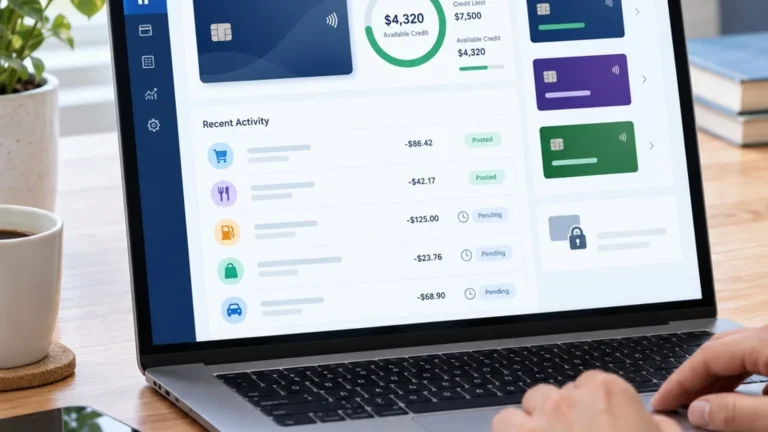
Start with the exact decline message, your card’s status and the amount the merchant tried to authorize. An available-credit number alone does not tell you why the payment failed.
How to fix a declined credit card
- Check whether the purchase went through. Look for an order confirmation and ask the merchant before submitting another payment.
- Open your issuer’s app directly. Review card status, available credit and any security alerts.
- Correct an identifiable problem. For example, unlock a card you intentionally locked or update an expired card saved at checkout.
- Retry after the issue is resolved. If it still fails, contact the issuer using the number on your card.
- Use another payment method if necessary. Confirm the first attempt’s status so you do not accidentally pay for the same order twice.
If you see unfamiliar activity, keep the card locked and report it to the issuer. Do not unlock it just to force a purchase through.
Why is my credit card being declined?
Capital One’s decline troubleshooting guide identifies card locks, incorrect information, activation problems, payment issues and equipment faults as possible causes. Use this checklist to narrow down the problem.
| Possible cause | What to check | Next step |
|---|---|---|
| Card is locked | Card controls in the issuer’s app | Unlock only if you recognize the activity and the card is secure. |
| Security alert | A request to verify the attempted purchase | Confirm a legitimate purchase through a trusted issuer channel. |
| Wrong saved details | Card number, expiration, security code and billing address | Correct the checkout information. |
| Replacement is inactive | Whether the new card needs activation | Follow the issuer’s activation instructions. |
| Authorization exceeds available credit | The full amount requested, including any deposit | Ask the merchant about its authorization requirement. |
| Card or reader problem | Whether the chip or terminal is working | Ask the merchant to check its reader or offer another supported method. |
| Account restriction | Payment status and account notices | Ask the issuer what must happen before spending can resume. |
Chase’s explanation of declined purchases also covers security filters and address-verification failures. The issuer can investigate the specific attempt; a generic checkout message cannot identify every cause.
Example: $500 available, but a $350 hotel stay is declined
Suppose your card shows $500 of available credit before a hotel requests authorization. The room costs $350, and the hotel requests another $200 for incidentals.
$350 room + $200 incidental hold = $550 authorization.
The request exceeds the available $500 by $50, so it may be declined even though you could cover the advertised room price. This is a hypothetical example; actual authorization amounts depend on the merchant.
Capital One explains that pending authorizations hold available credit, and hotel, rental-car and gas-station amounts can differ from the final charge. Ask what amount will be authorized and when an unused hold is expected to be released.
Do not subtract an existing hold twice if the app’s available-credit figure already includes it. Our guide to why available credit is lower than expected explains how to reconcile balances and holds.
Why is my credit card declined online but working in stores?
Check the information saved with that website. A replaced card may have a different expiration date or security code. Enter the billing address associated with the card account; it may differ from the shipping address.
Also check whether the issuer is asking you to verify the purchase. Working at another merchant does not guarantee approval of this transaction. If the details are correct, ask the merchant and issuer about the specific attempt rather than repeatedly resubmitting it.
Why is my card still declined after I made a payment?
A submitted payment and restored purchasing capacity are different things. Processing time or an account restriction can mean the card is not ready for another purchase yet.
Capital One says available credit typically updates within one to two days after a payment, but sometimes takes longer. That is its guidance, not a universal deadline for every issuer. Check your actual payment status and ask when the available credit will update.
If a payment was returned, do not assume the bill has been paid or that spending access has been restored. Review our guide to returned credit card payments and confirm the amount still due with your issuer.
Does a declined credit card hurt your credit score?
A declined purchase itself does not hurt your credit score. Experian distinguishes the rejection from its underlying cause: high balances or missed payments can affect credit, even though the checkout decline does not.
If you are close to the limit, address the balance as well as the failed purchase. Our guide to what happens when you max out a credit card explains the utilization issue.
This is different from applying for a new card. A credit application may produce a hard inquiry even if the lender declines it.
What to ask when you call the card issuer
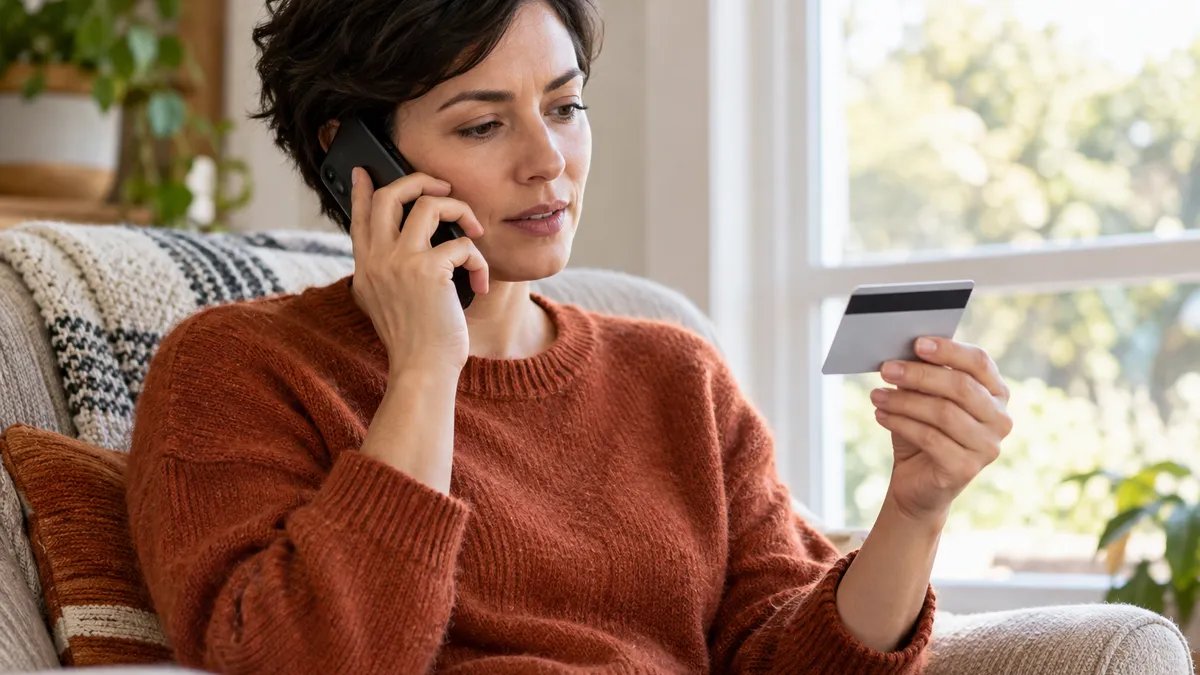
Have the merchant name, amount, approximate time and exact error message ready. This short script helps separate a spending restriction from a checkout problem:
“My purchase at [merchant] for [amount] was declined at [time], but my app shows available credit. Can you see that authorization attempt? What amount was requested? Is there a security check, payment hold or account restriction? What do I need to do before retrying?”
If the issuer cannot see the attempt, ask the merchant whether it reached the payment processor. Do not assume that changing cards resolves an order that may already have been accepted.
Use the number on the card or contact options inside the official app. The FTC warns that fake bank-fraud texts can lead to scams. Verify an unexpected message through a contact method you already trust.
Explore related guides on credit cards and utilization.
Frequently asked questions
Should I keep trying a declined card?
First identify and correct the problem, then retry as directed by the issuer or merchant. Repeated attempts do not resolve a locked card, incorrect details or insufficient authorization capacity. Check order status before trying another payment method.
Why do I see a pending charge after a decline?
A pending authorization is not a final posted charge or proof that the order completed. Ask the merchant to confirm the order and the issuer to explain the pending entry. Report unfamiliar transactions promptly. If an incorrect charge posts, follow the appropriate credit card billing dispute process.
Sources checked October 7, 2026. The hotel example is hypothetical. Educational information for U.S. consumers; your issuer’s account terms and the merchant’s payment policies apply.