In this guide
- What does “responsibility terminated” mean on a credit report?
- What should you check next to the status?
- Does “responsibility terminated” mean the account is closed?
- Does it mean you no longer owe the debt?
- Authorized user removed vs. responsibility terminated
- Can a responsibility-terminated account stay on your credit report?
- Can it affect your credit score?
- What if the account still shows a balance?
- What if the status is wrong?
- How to verify your role on the account
- What if someone else’s account is attached to your file?
- Frequently asked questions
- Bottom line
- Sources
Quick answer: If your credit report says “responsibility terminated,” it usually means your responsibility or relationship to that account has ended. This wording often appears when someone is no longer an authorized user or no longer has a reportable responsibility for the account, but the exact meaning depends on the bureau, creditor, and surrounding account fields. Do not assume the phrase means the account is delinquent, paid off, or deleted. Check the ownership or ECOA role, account status, balance, payment history, and whether you still have a legal obligation. If the report shows you as responsible for an account that is not yours, or your role is wrong, dispute the specific inaccurate information.
What does “responsibility terminated” mean on a credit report?
In its guide to ECOA account-relationship codes, Chase describes T or terminated as no longer being associated with the account. That gives a concrete meaning to the relationship field. It is not, by itself, a statement that the whole account was paid off, closed for every borrower, or deleted.
Read the report’s own legend because the wording and display can differ by provider. If a creditor still says you owe a debt, verify the contract and any written release rather than relying on a status label as proof that the obligation ended.
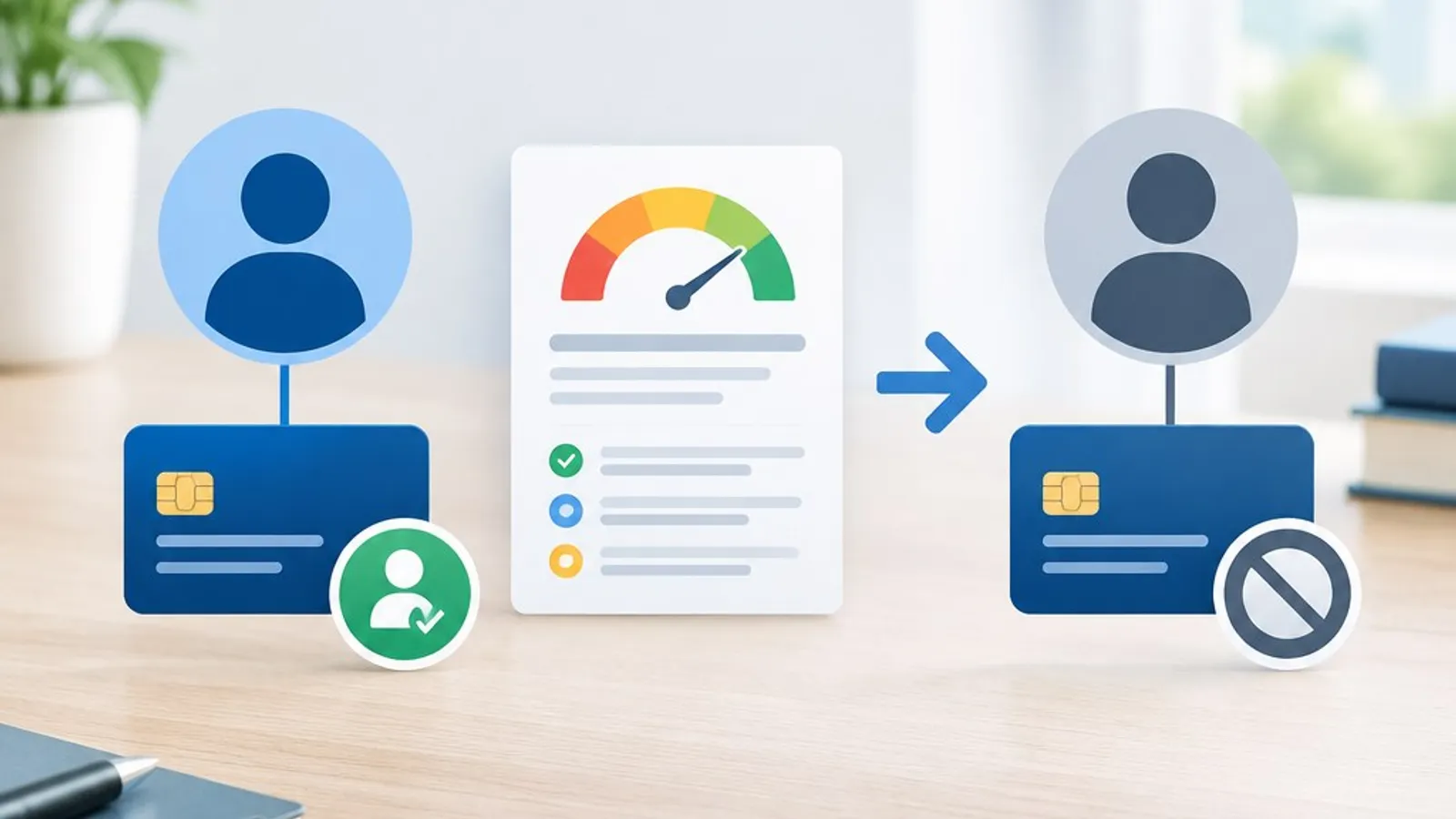
Example: an authorized-user relationship ends while the card stays open
Illustrative account fields, not a real consumer’s report or a bureau template.
| Field | Before removal | After the relationship update |
|---|---|---|
| Your reported relationship | Authorized user | Terminated / no longer associated |
| Primary cardholder’s account | Open | May remain open |
| Account balance in this example | $1,200 | $1,200; removing a user did not pay the bill |
| Record to compare with the report | Authorized-user arrangement | Issuer confirmation of removal and its effective date |
What this example helps you check: a remaining balance and a terminated relationship are not automatically contradictory. First establish whose obligation the report is describing. Do not apply the authorized-user example to a joint borrower or co-signer without checking the agreement.
What should you check next to the status?
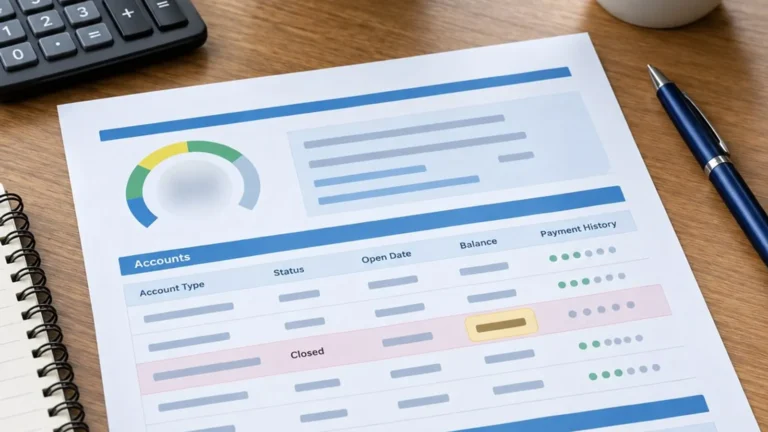
- Account ownership or responsibility code: individual, joint, authorized user, or another role.
- Current balance: whether the report says you still owe money.
- Account status: open, closed, paid, current, delinquent, or another status.
- Payment history: whether late payments are associated with the account.
- Date updated: when the role or status was most recently reported.
Does “responsibility terminated” mean the account is closed?
Not necessarily.
Your relationship to the account can end while the account itself remains open for another consumer. This is common with authorized-user accounts: the primary cardholder may keep the account open even after the authorized user is removed.
Does it mean you no longer owe the debt?
Do not rely on the comment alone to answer that question.
If you were only an authorized user, you generally are not the primary borrower. If you were a joint borrower or otherwise contractually liable, ending a reporting role may not automatically eliminate legal responsibility.
When money is still owed, review the original account agreement or contact the lender to confirm your legal obligation.
Authorized user removed vs. responsibility terminated
If you want to end the arrangement, our guide to authorized-user removal and credit scores explains what can change, how to request removal, and how to verify the update. Ending card access, updating an account relationship, and changing the information used for a score are separate steps.
If you are considering joining another account, our authorized-user credit-building guide covers reporting, spending agreements, and removal questions to resolve first.
The CFPB identifies incorrect ownership reporting as a common credit-report error—for example, being reported as the owner when you are actually only an authorized user.
If you were removed as an authorized user, a responsibility-terminated comment may be consistent with the end of that relationship. But verify that the account is no longer being reported in a way that incorrectly makes you responsible for the debt.
Can a responsibility-terminated account stay on your credit report?
Yes. Ending your responsibility does not necessarily cause the tradeline to disappear immediately. Credit-reporting treatment can vary depending on the account and bureau.
If the account remains, check whether the role, balance, payment history, and status are accurate.
Can it affect your credit score?
Potentially, but the phrase itself is not a universal point penalty.
The account’s presence or removal can change the data used by a scoring model—for example account age, utilization, payment history, or the number of accounts in the file. The result depends on the rest of the report and the scoring model.
If the account was helping your file as an authorized-user tradeline and it is removed or no longer considered, your score could change. There is no guaranteed direction or point amount.
What if the account still shows a balance?
A balance can be present even after your reported responsibility changes, particularly if the account remains open for another consumer. The important question is whether the report incorrectly attributes the debt to you.
If a closed account still shows money you believe you do not owe, use the closed-account balance guide.
What if the status is wrong?
If you are still a responsible borrower but the report says your responsibility terminated, or if you were only an authorized user but the report shows you as an owner, investigate the discrepancy.
The CFPB recommends disputing inaccurate information with the credit reporting company and the company that furnished the information.
Use our step-by-step credit-report dispute guide.
How to verify your role on the account
- Check the account details on all three credit reports.
- Compare the ownership/responsibility code across bureaus.
- Review the original account agreement or cardholder documents.
- Contact the creditor and ask how it currently reports your role.
- Save written confirmation if the creditor says the report is wrong.
What if someone else’s account is attached to your file?
If you never had any relationship to the account, this may be a mixed-file or identity-theft problem rather than a normal responsibility change.
See how to fix a mixed credit file.
Frequently asked questions
Is “responsibility terminated” negative?
Not automatically. It describes a change in responsibility. Whether the account is positive, negative, or neutral depends on the associated payment history, balances, status, and role.
Does it mean I was removed as an authorized user?
It can. But verify the ownership or ECOA role because the same wording may be displayed differently by different report providers.
Should I dispute it?
Only if the information is inaccurate or incomplete. Do not dispute a correct status simply because you do not understand the wording.
Can the account remain open after my responsibility ends?
Yes. For example, a primary cardholder’s account can remain open after an authorized user is removed.
Bottom line
“Responsibility terminated” generally means your reported responsibility for the account has ended. Check the account role, balance, status, and payment history before deciding whether anything is wrong. If the report misstates your ownership or responsibility, document the correct relationship and dispute the specific error.
Explore related guides on credit reports and disputes.
To understand the entries and statuses behind your score, use our credit report reading checklist before deciding what to do next.
Sources
- CFPB: Common credit-report errors, including incorrect account ownership
- CFPB: How to dispute a credit-report error
- AnnualCreditReport.com
Credit-report comments and role labels can vary by bureau and provider. This article is general educational information, not individualized legal advice.