In this guide
Credit Karma and Experian’s free accounts show different credit scores because they use different bureau data and scoring models. Credit Karma says its free VantageScore 3.0 scores come from Equifax and TransUnion. Experian says its free score is a FICO Score 8 based on Experian data. Neither number is automatically “wrong,” and neither promises to be the exact model a particular lender will use.
This is a comparison of the companies’ publicly described free features as of September 29, 2026, not a hands-on account test. Sign-up screens, alert types, paid tiers, trial terms, and privacy practices may change; verify them directly before providing personal information.
What is VantageScore 3.0?
VantageScore 3.0 is a credit scoring model developed by VantageScore Solutions. Credit Karma currently says the free scores it shows are VantageScore 3.0 scores based on Equifax and TransUnion data. Like FICO models, VantageScore converts credit-report information into a score, but the formulas and minimum scoring requirements are not identical.
That is why a VantageScore 3.0 number can differ from a FICO Score 8 even when both are legitimate. Before comparing two scores, check the model, bureau, version, and date. A higher or lower number in one app does not by itself mean your credit report is wrong.
Free features side by side
| Question | Credit Karma free account | Experian free account |
|---|---|---|
| Score model shown | VantageScore 3.0 | FICO Score 8, according to Experian’s current free-score description |
| Bureau data for the listed free scores | Equifax and TransUnion | Experian |
| Credit report access described | Equifax and TransUnion reports | Experian report |
| What free access does not guarantee | An Experian score or the score model used by your lender | Free scores from Equifax and TransUnion or the model used by your lender |
| Paid upgrades | Check the exact offer and related services you choose | Experian advertises paid plans with broader monitoring; check current terms |
A score difference can reflect both which bureau’s report supplied the data and which model turned that data into a number. Even two scores using the same model can differ when the underlying reports have different accounts, balances, or update dates. The CFPB notes that creditors are not required to report to every bureau. Compare like with like before attributing a change to a financial action.
Which free view is useful for your question?
- You want to see Equifax and TransUnion trends: Credit Karma’s two free VantageScore views can help you track changes in those reports and scores. They do not substitute for reviewing Experian data.
- You want a free FICO Score 8 using Experian data: Experian describes that score in its free membership. It still may not match the FICO version or bureau used for a mortgage, auto loan, or credit card decision.
- You are checking an error, collection, or unfamiliar account: Get the actual reports from all three at AnnualCreditReport.com. Compare the tradeline, date, status, and balance, not only app scores. Use our three-report cleanup checklist.
- You want alerts after a breach: Compare the exact bureau and event coverage of the free tier with any paid tier. A free security freeze at each bureau is a separate preventive measure. Read our coverage guide.
Quick decision checklist
- Tracking Equifax and TransUnion trends? Compare Credit Karma’s free views with the underlying reports.
- Want a free Experian-based FICO Score 8? Check Experian’s current free membership terms.
- Investigating an error or identity-theft concern? Start with the actual reports from all three bureaus rather than relying on an app score.
- Considering a paid upgrade? Write down the exact bureaus monitored, alert types, trial or renewal terms, cancellation method, and any features you can already get free.
The useful choice depends on the information you need to see, not on which app shows the higher number.
How to compare scores without chasing noise
- Write the bureau, scoring model and version, and date next to each number.
- Check the report’s account details if the score moves unexpectedly; a score alone does not say which bureau has an error.
- Compare the same model and bureau over time when judging a trend. See how score updates work.
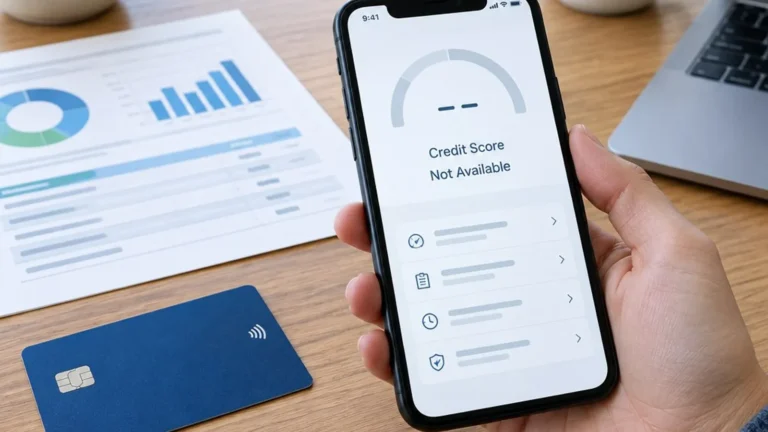
- If one service shows “no score” or “score unavailable,” see why a credit score may not be showing up before assuming the app is wrong.
- If applying for credit, ask the lender which bureau and score model it uses if it will tell you. Do not assume either free app predicts approval or the rate.
Before creating an account or upgrading
Read each company’s current terms and privacy notice, the information required to verify identity, alert coverage, cancellation method, and any trial conversion. Free access to a score should not be confused with free access to every feature. You can also obtain free weekly credit reports from the three nationwide bureaus through the authorized site; a report is not necessarily a free score.
Resolve a mismatch before buying another score
Use the score comparison worksheet to record the model, bureau, and calculation date behind both numbers. If you need to investigate an account rather than compare a score, review what a report tells you that a score does not.
Explore related guides on credit scores.
To understand the entries and statuses behind your score, use our credit report reading checklist before deciding what to do next.
Sources and editorial note
- Credit Karma: Free credit scores and bureaus
- Experian: Free FICO Score
- Experian: Free credit monitoring
- CFPB: Why reports can differ
- FTC: Free credit reports
We have not signed in to compare personal accounts or tested alert speed. There is no paid link or product ranking on this page. See our Affiliate Disclosure for our policy. This article is for general education and is not individualized financial advice. Last reviewed September 29, 2026.