In this guide
- Can you change your credit card due date?
- How to change your credit card due date in four steps
- When does a credit card due date change take effect?
- Does changing your credit card due date affect your credit score?
- Can moving the due date increase interest?
- What if you cannot afford the current payment?
- Frequently asked questions
- Sources and editorial note
To change your credit card due date, request an available date through your issuer’s online account or customer service, then confirm which bill will use it. Keep paying by the existing deadline until the change takes effect. Moving the date does not automatically postpone a payment already due.
This guide covers choosing a date, checking the transition, and making sure autopay follows the right schedule.
Can you change your credit card due date?
Many issuers allow it, but eligibility, available dates, and limits on repeated changes vary. Check your account settings or call the number on the back of your card. Approval is not guaranteed.
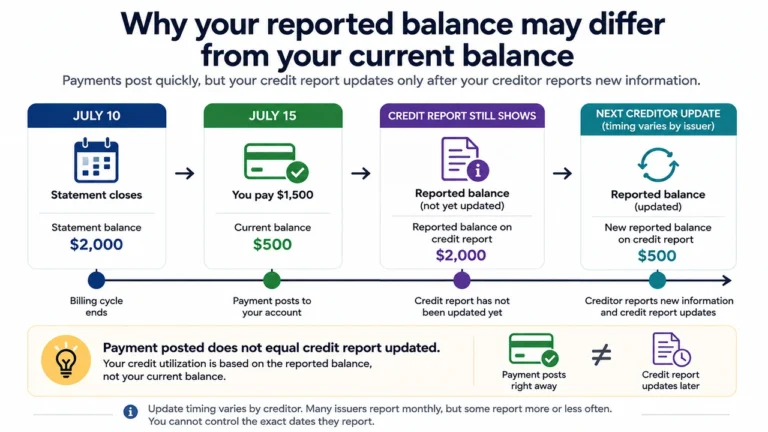
Ask for the payment due date, not just a different day for an automatic withdrawal. Those are separate settings. The statement closing date and payment due date also serve different purposes.
How to change your credit card due date in four steps
1. Choose a date your budget can support
List your paydays and essential bills before choosing a date. The CFPB’s due-date worksheet recommends mapping when money arrives and when bills leave your account.
There is no best credit card due date for everyone. Leave room for delayed deposits and payment processing rather than relying on a paycheck arriving that morning.
- Paid on fixed monthly dates: consider a date after a dependable payday, taking rent and other bills into account.
- Paid every two weeks: check several months. A recurring monthly deadline will not always fall the same number of days after payday.
- Variable income: choose around money you can reliably set aside, not your most optimistic earnings estimate.
2. Request the change through your issuer
Look for a due-date option in your card’s account or payment settings. If none appears, contact customer service. Chase’s guidance describes both online and phone requests.
Confirm that you are changing the correct card. A change to one account should not be treated as confirmation that your other cards have moved too.
3. Get the first new deadline confirmed
Before ending the request, record:
- The date and amount of the payment still due under the current schedule.
- The first payment date under the new schedule.
- Whether the transition changes the billing period, interest, or any charges.
- What happens to existing automatic and one-time payments.
Save the confirmation message or reference number. A screen showing “request submitted” does not by itself tell you which deadline applies to the current bill.
4. Check autopay and bank bill pay
Review the next scheduled withdrawal date, payment amount, and funding account. Do not assume a recurring bank bill-pay instruction updates when you change the date with your card issuer.
If you also plan a manual payment, confirm whether it changes the automatic withdrawal so you can fund both if necessary. Use the credit card autopay setup checklist and compare minimum-payment vs. statement-balance autopay before changing the amount setting.
When does a credit card due date change take effect?
It often takes one or two billing cycles, but your issuer’s confirmation controls. Chase says changes usually become active within that range. Capital One says eligible changes take effect within two billing cycles and warns that changing the date does not avoid a late payment in the current cycle.
Keep using the current statement deadline until the issuer confirms otherwise. If a confirmation and statement disagree, ask which date applies before the earlier deadline passes.
Example: moving a payment from the 12th to the 20th
Hypothetical scenario: You request the change on October 7. Your current bill requires a $60 minimum by October 12. The issuer confirms November 20 as the first new due date.
| Checkpoint | Action |
|---|---|
| October 7: request made | Save the confirmation. Leave the October payment in place. |
| October 12: current deadline | Pay at least the $60 minimum on time. Do not wait until October 20. |
| Next statement arrives | Check the confirmed November 20 date, the new amount due, and scheduled payments. |
| November 20: first new deadline | Pay the amount required by that statement. The next minimum is not necessarily $60. |
The dates illustrate one confirmed arrangement, not a standard issuer timetable. Paying the minimum does not necessarily avoid purchase interest.
Does changing your credit card due date affect your credit score?
Experian says changing the due date usually does not affect your credit score. A more manageable schedule may help you avoid missed payments, but the date change itself is not a score boost.
The risk is overlooking a payment during the transition. See how a payment less than 30 days late can affect your account for the distinction between issuer consequences and credit reporting.
Can moving the due date increase interest?
It can affect what you pay if it changes how long you carry an interest-bearing balance. The CFPB explains that many issuers calculate interest daily. Delaying repayment can mean more interest when a grace period does not apply.
Ask whether the transition changes the billing-cycle length and how that affects the first bill. A later due date does not mean interest stops accruing. If you normally avoid purchase interest by paying in full, confirm the amount and deadline needed to preserve your purchase grace period.
What if you cannot afford the current payment?
A date-change request is not a payment-relief agreement. The CFPB recommends contacting your issuer promptly if you cannot pay. Explain what you can afford and ask whether assistance applies to the current bill.
Before accepting a credit card hardship arrangement, confirm its payment amount, start date, duration, and account restrictions.
“My payment is due on the ___, and I would like future payments due on the ___. Which bill will use the new date? What must I pay before then? Please confirm any effect on interest and my scheduled payments.”
Frequently asked questions
How often can you change your credit card due date?
It depends on the issuer. Some limit how frequently you can change it or require an account in good standing. Ask about your account’s eligibility and waiting period before making another request.
Does changing the due date change the statement closing date?
Ask the issuer whether your billing cycle will shift, then check the next statement. Do not assume the closing date or credit-reporting schedule will stay the same. If you make extra payments before closing, update that plan using the confirmed dates.
What if the issuer will not change the date?
Consider reserving money from an earlier paycheck or paying ahead of the deadline. Keep reminders for both the statement and due date. If the problem is insufficient income rather than timing, ask about payment assistance.
Explore related guides on credit cards and utilization.
Sources and editorial note
Sources checked October 7, 2026: the linked CFPB guidance, Chase and Capital One explanations, and Experian article. The transition example and call script were created for this guide; account-specific terms control.
General educational information for U.S. consumers, not individualized financial or legal advice. Confirm payment dates and arrangements directly with your card issuer.